
How Professional Brochure Design Can Help Your Business Stand Out
Business cards may seem like a small part of your marketing strategy, especially in a world where most communication happens digitally.
You can connect with someone on LinkedIn, send an email, or share your website within seconds.
So, do business cards still matter?
Absolutely.
A well-designed business card is more than a piece of paper containing your name and contact details. It is a physical representation of your brand and a small but valuable opportunity to make a professional impression.
When designed thoughtfully, a business card can reinforce your brand identity, make you more memorable, and provide an easy way for potential customers or business partners to reconnect with you.
Here’s why business card design still matters.
1. Your Business Card Is Part of Your Brand
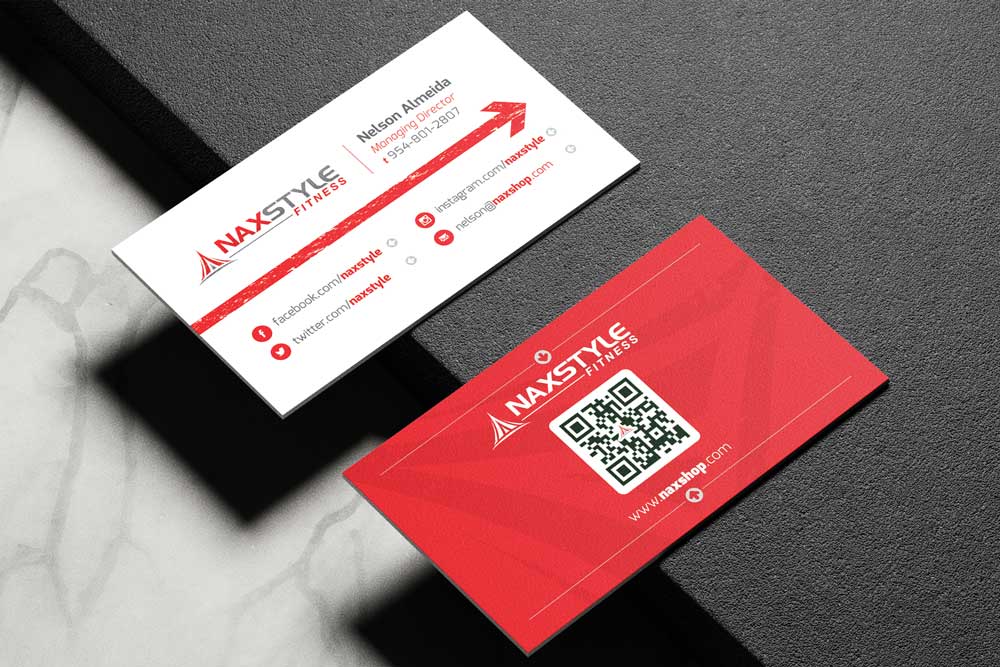
A business card should look like an extension of your brand-not a standalone design.
Your logo, colours, typography, imagery, and overall visual style should work together to create a consistent brand experience.
When someone receives your business card after visiting your website or seeing your marketing materials, the visual connection should be immediate.
Consistent branding across different touchpoints helps people recognise your business and creates a more professional impression.
Your business card may be small, but it should still feel like your brand.
2. It Creates a Physical First Impression
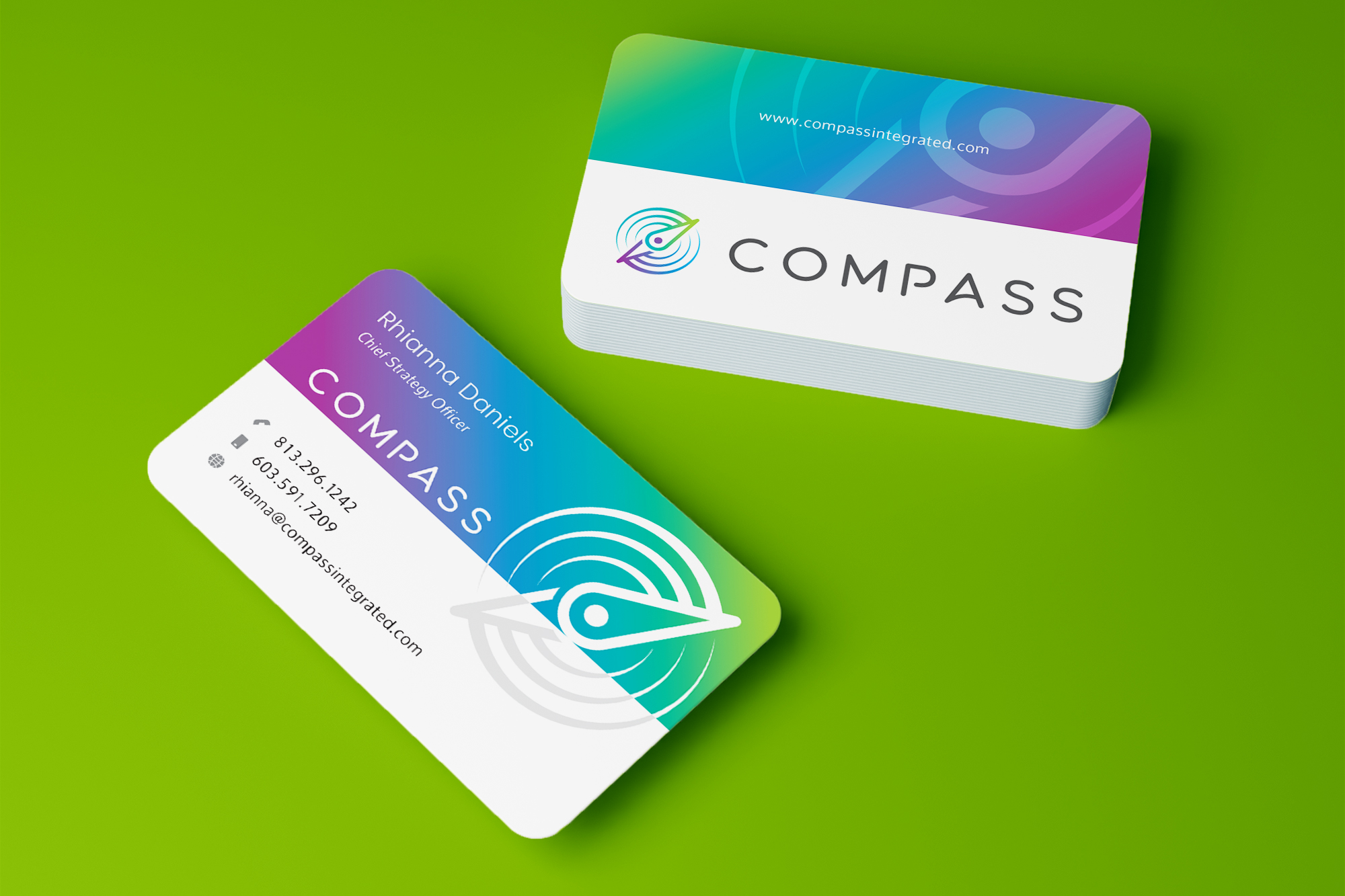
Digital contact information is convenient, but physical materials create a different type of interaction.
Handing someone a professionally designed business card during a meeting, networking event, conference, or introduction gives them something tangible to remember you by.
The quality of the design can influence that first impression.
A thoughtfully designed card communicates attention to detail.
A poorly designed card can do the opposite.
Small details such as typography, spacing, paper stock, and print quality can make a significant difference to how the card feels.
3. Good Design Makes You More Memorable
People meet many new contacts.
After an event or meeting, they may have dozens of names, emails, and LinkedIn connections to remember.
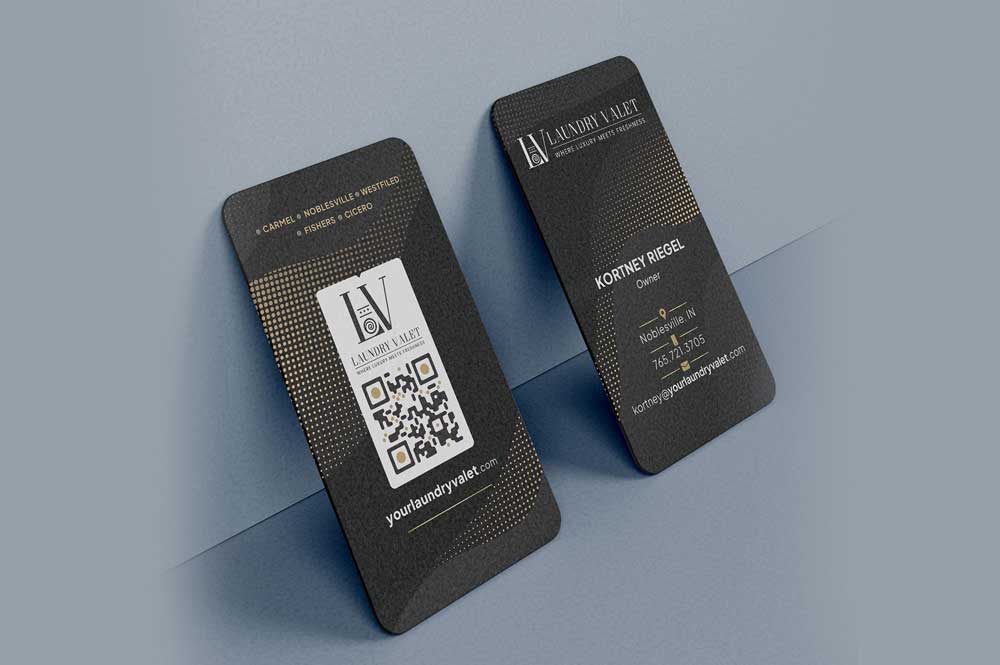
A distinctive business card can help you stand out.
This doesn’t mean the card needs to be unusual or complicated.
Sometimes a simple, well-balanced design is more memorable than something overloaded with graphics and effects.
Strong typography, a recognisable brand identity, interesting proportions, or a carefully selected print finish can create a subtle point of difference.
The goal is to be memorable for the right reasons.
4. Professional Design Builds Credibility
People often make assumptions about a business based on small details.
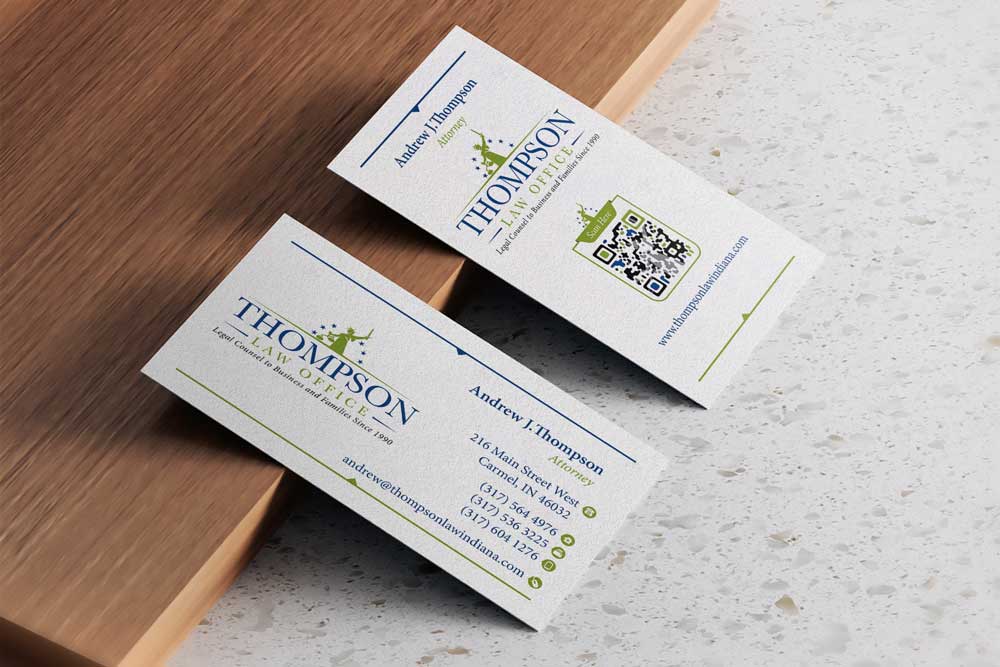
A polished business card can reinforce the impression that you are organised, established, and serious about your work.
This can be particularly important for:
- Consultants
- Designers
- Architects
- Real estate professionals
- Financial professionals
- Business owners
- Sales professionals
- Agencies
- Freelancers
- Service providers
When your business card looks professional, it supports the credibility of the business behind it.
Of course, a business card alone won’t create trust.
But it can reinforce the professional impression created by your website, branding, communication, and overall customer experience.
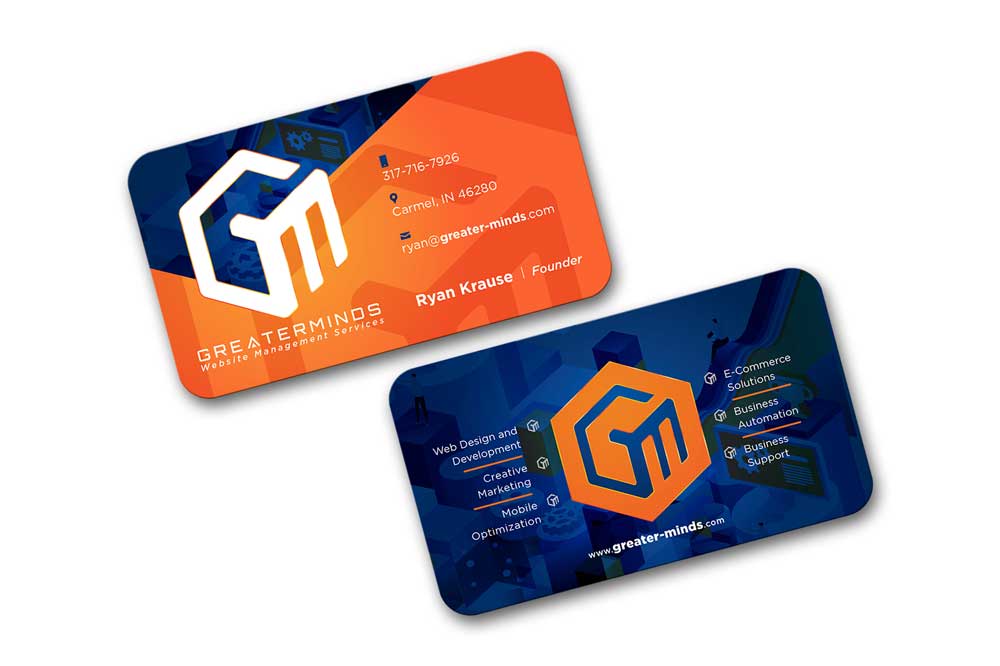
5. Business Cards Make Networking Easier
Not every business conversation happens online.
You may meet potential customers at:
- Conferences
- Trade shows
- Business meetings
- Networking events
- Seminars
- Workshops
- Local events
- Client meetings
In these situations, exchanging contact information quickly can be much easier with a business card.
Instead of typing details into a phone or searching for someone online, you can simply hand over your card.
The recipient can then decide when and how they want to reconnect.
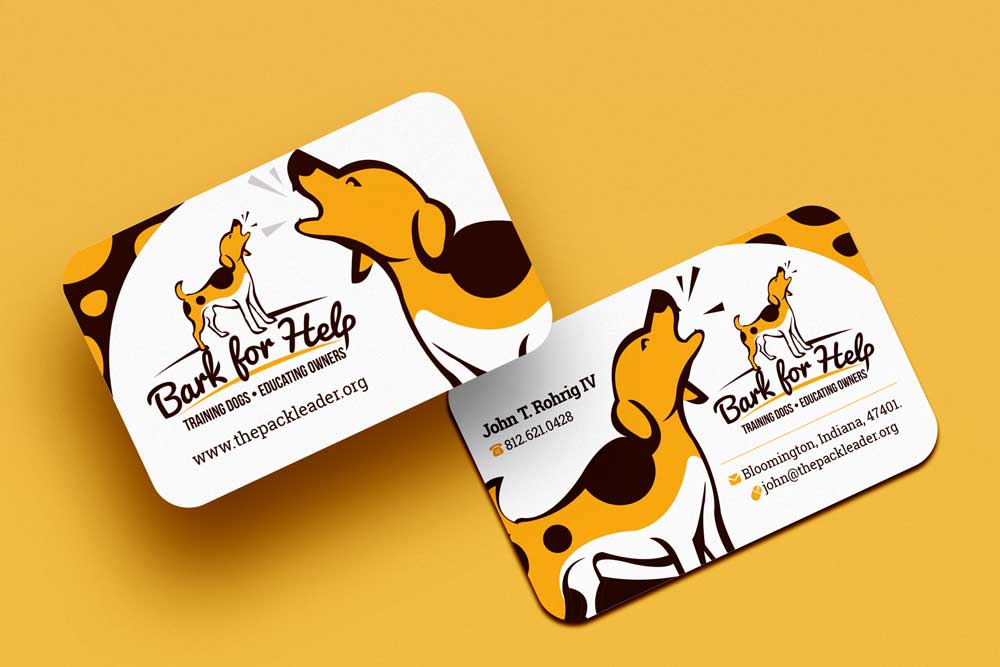
6. A Business Card Can Drive People Online
A modern business card doesn’t have to be limited to a phone number and email address.
It can connect your physical brand experience to your digital presence.
You can include:
- Website
- Portfolio
- LinkedIn profile
- Online store
- Booking page
- QR code
For example, a QR code can take someone directly to your website or portfolio.
This creates a simple journey:
Physical introduction → Business card → Digital experience → Potential enquiry
The key is to keep the experience simple.
Don’t include every social media account you have if your customers only need one or two important channels.
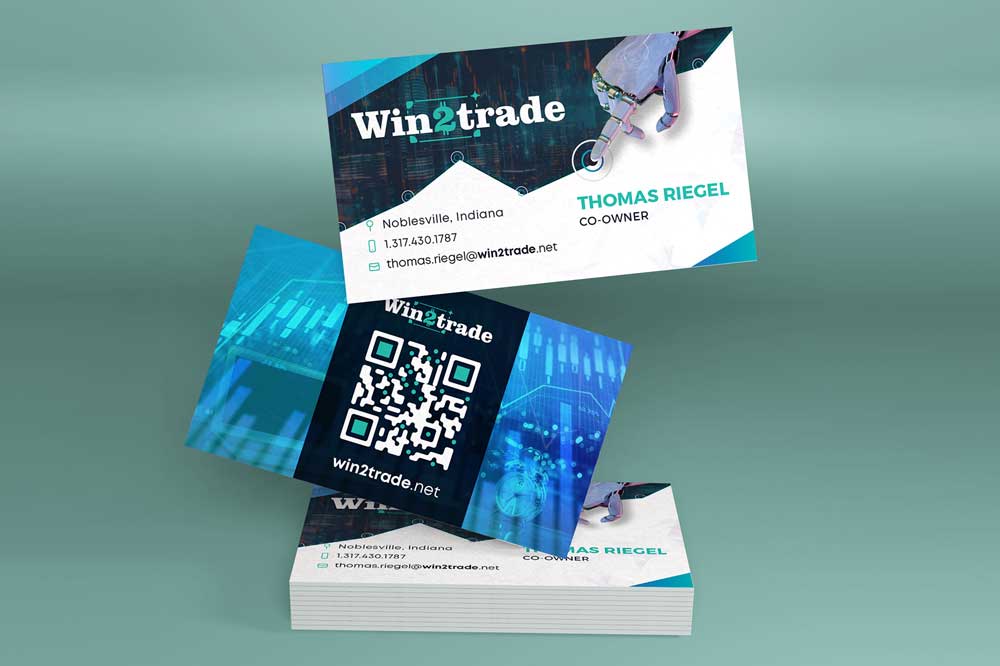
7. The Back of the Card Is Valuable Space
Many businesses treat the back of a business card as an afterthought.
It doesn’t have to be.
The back can be used to reinforce your brand or provide useful information.
Depending on the business, it could include:
- A short brand message
- Services
- A QR code
- Social media information
- A simple graphic
- Appointment information
- A promotional offer
However, the back doesn’t need to be filled with information.
White space can be just as valuable.
A clean, minimal back can create a premium feel and keep the overall design focused.
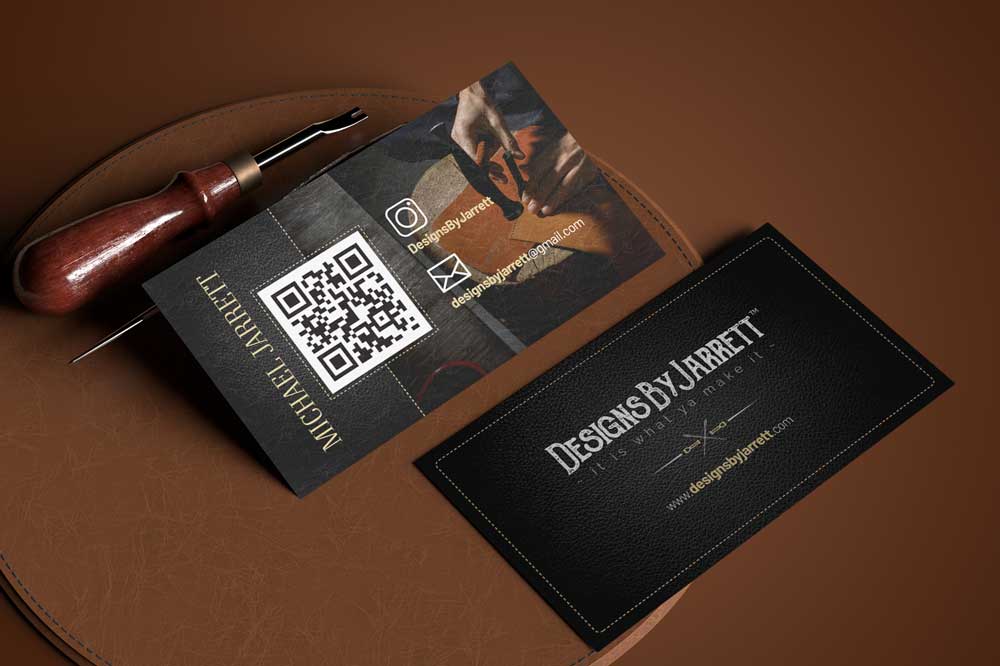
8. Typography Can Make or Break the Design
Because business cards are small, typography needs to be handled carefully.
Text that is too small becomes difficult to read.
Too many fonts can make the card feel inconsistent.
Poor spacing can make the information look crowded.
Professional business card design considers:
- Font selection
- Font size
- Line spacing
- Letter spacing
- Alignment
- Hierarchy
- Contrast
The most important information should be immediately visible.
Usually, this means the person’s name, company, and primary contact details should be easy to find.
Good typography makes a small format feel organised and professional.
9. Paper and Finishing Can Add Another Dimension
The design is only part of the business card experience.
Print production can also influence how the card feels.
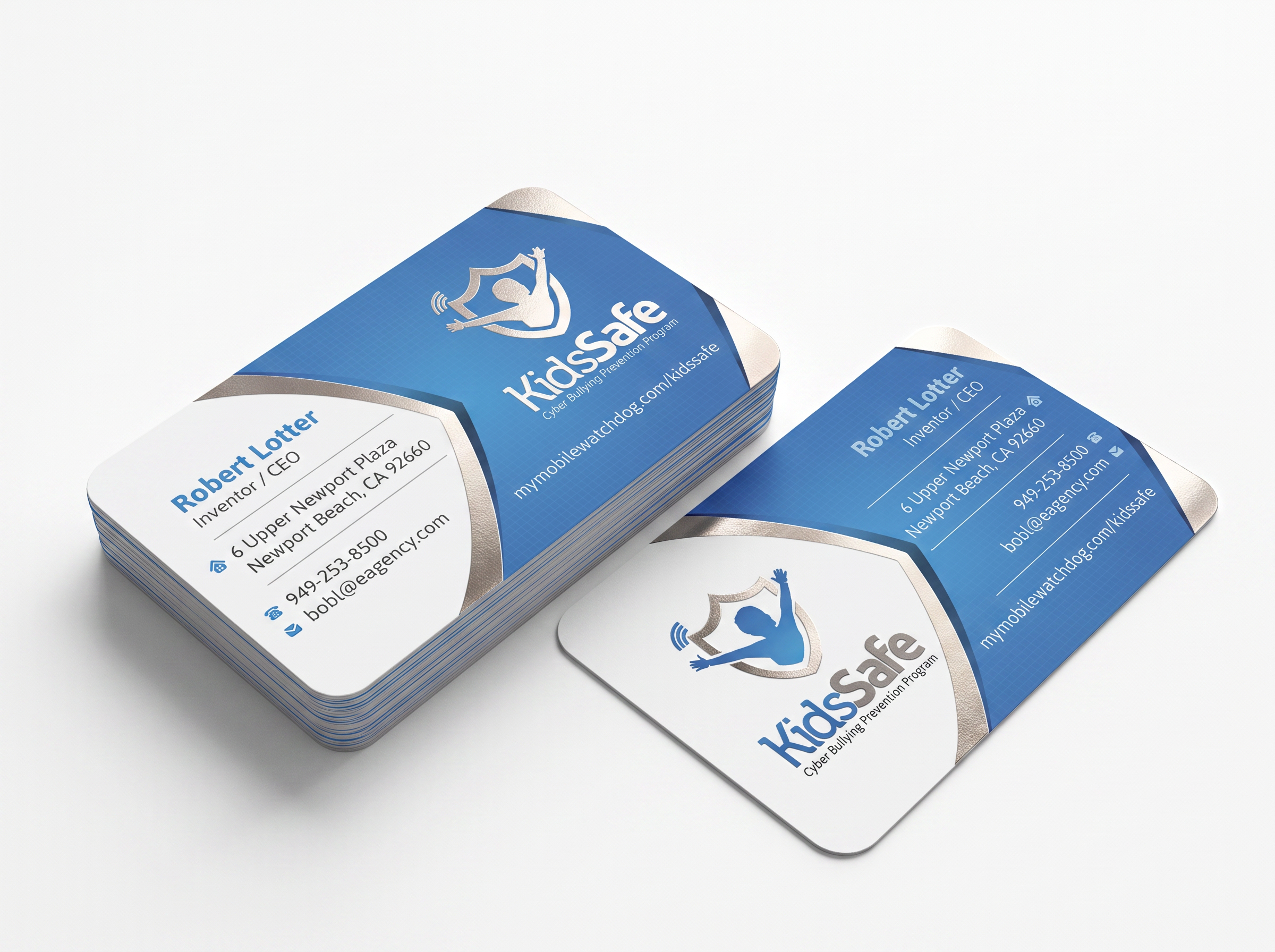
Depending on the brand and budget, options can include:
- Premium paper stock
- Textured paper
- Matte lamination
- Soft-touch finishes
- Spot UV
- Foil stamping
- Embossing
- Debossing
- Rounded corners
- Custom die cuts
These techniques can help create a distinctive physical experience.
However, premium finishes aren’t automatically better.
The right choice depends on the brand.
A luxury brand may benefit from foil or embossing, while a modern technology company might prefer a clean, minimal card with a simple matte finish.
The production should support the brand, not distract from it.
10. Business Cards Can Strengthen Brand Consistency
Imagine a customer encounters your company in several places.
They see your website.
Then they receive an email.
Later, they see your brochure.
Finally, they meet someone from your company and receive a business card.
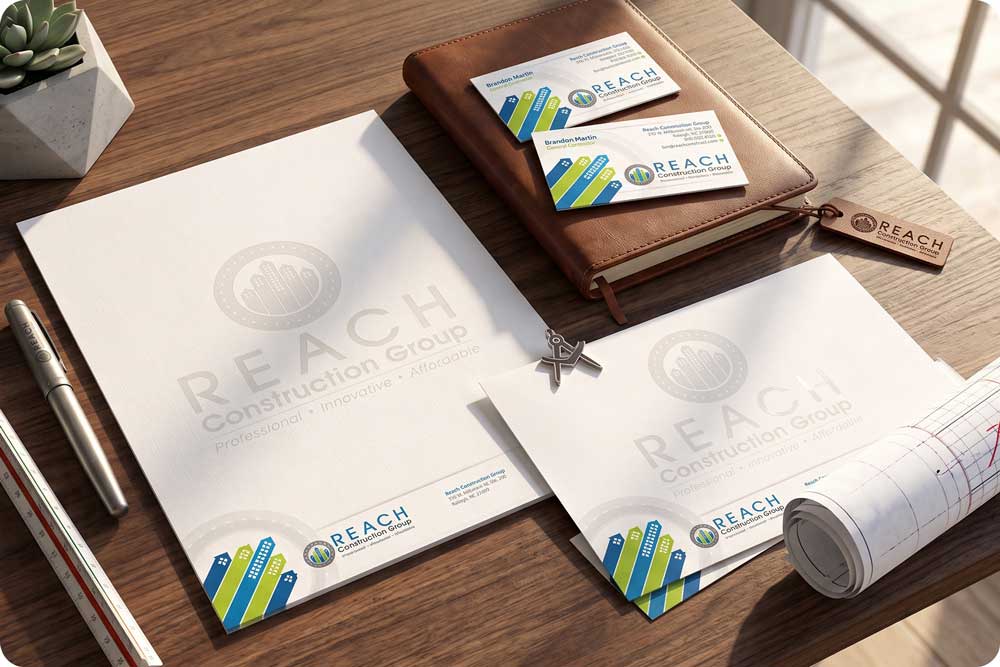
If all of these materials use the same visual language, the brand becomes easier to recognise.
This is the power of consistency.
Business cards should therefore be designed as part of the broader brand identity rather than treated as an isolated project.
The same principles should apply to your:
- Letterheads
- Brochures
- Packaging
- Presentations
- Social media graphics
- Website
- Signage
- Marketing materials
What Information Should a Business Card Include?
A business card doesn’t need to contain every piece of information about your business.
In most cases, the essentials are enough.
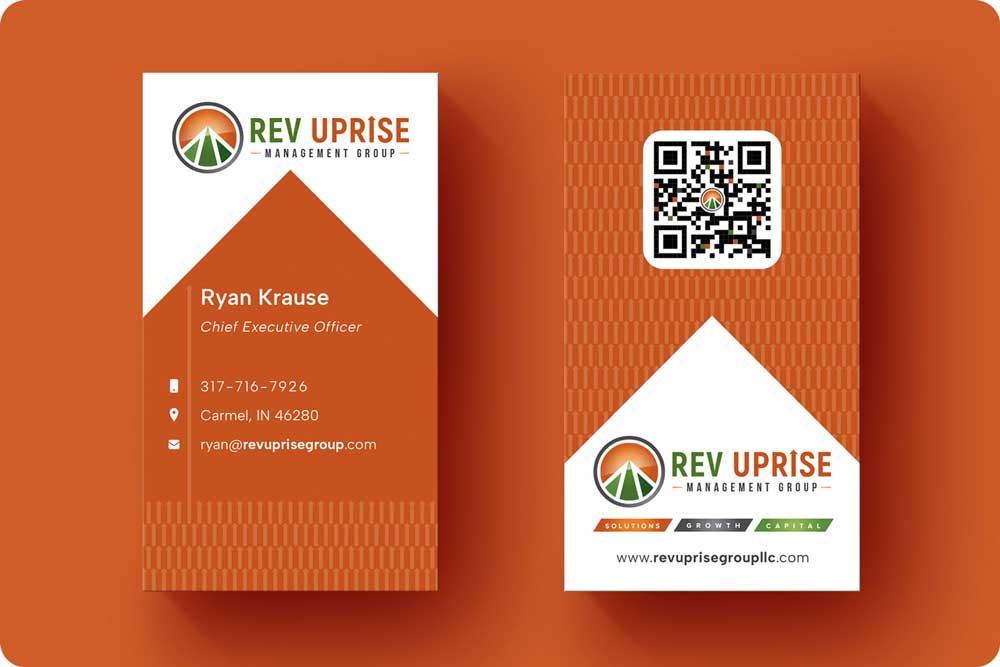
Front
- Logo
- Name
- Job title
- Key brand elements
Back
- Phone number
- Email address
- Website
- Location, if relevant
- QR code, if useful
The exact information depends on your business.
The most important rule is to avoid clutter.
Your business card should make it easy for someone to know who you are and how to contact you.
Common Business Card Design Mistakes
Even a simple business card can go wrong.
Here are some common mistakes to avoid.
Too Much Information
Trying to include every service, social media account, address, and contact method can make the card difficult to read.
Poor Typography
Small text and excessive font styles can reduce readability and make the card look unprofessional.
Weak Visual Hierarchy
If everything is the same size and weight, the recipient won’t know where to look first.
Low-Quality Images
Poor-resolution logos or images can look especially bad when printed.
Inconsistent Branding
A card that doesn’t match the rest of your brand can create a disconnected customer experience.
Ignoring Print Production
Using the wrong colours, incorrect file setup, or unsuitable paper can affect the final result.
Digital Networking Doesn’t Make Business Cards Obsolete
Digital tools have changed networking, but they haven’t eliminated physical interactions.
In many professional situations, people still value a simple physical reminder of a conversation.
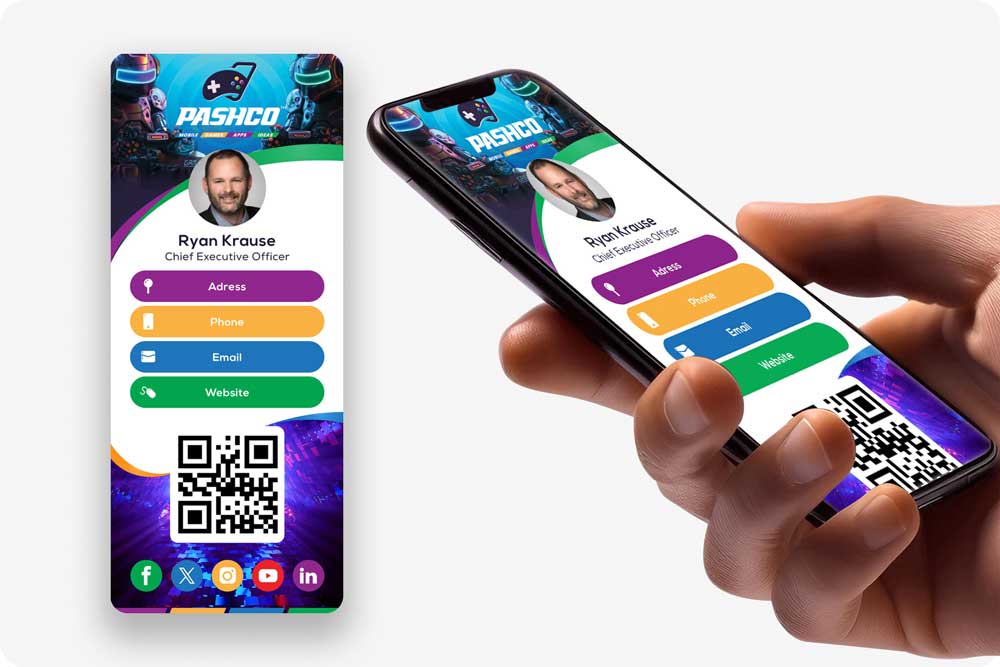
Business cards and digital networking can work together.
You might exchange a card during a meeting and connect on LinkedIn afterwards.
You might scan a QR code to view someone’s portfolio.
You might keep a card for several months before eventually contacting the person.
The physical and digital experiences don’t have to compete.
They can reinforce one another.
When Should You Invest in Professional Business Card Design?
Professional business card design is particularly valuable when your business relies on personal relationships and networking.
Consider investing in professionally designed cards if you:
- Attend networking events regularly
- Meet potential clients in person
- Attend trade shows
- Represent a professional brand
- Work in sales or consulting
- Run a creative business
- Have recently rebranded
- Want to improve your overall brand presentation
If your existing cards no longer match your brand, a redesign can also be a simple way to refresh your physical brand presence.
Final Thoughts
Business cards may be small, but they can have a surprisingly important role in professional branding.
They create a physical connection between you and your customers, reinforce your visual identity, support networking, and provide a simple reminder of your business after a conversation ends.
The best business card isn’t necessarily the most expensive or elaborate.
It’s the one that communicates your brand clearly, feels professional, is easy to remember, and makes it simple for people to contact you.
Good business card design turns a small piece of paper into a meaningful brand touchpoint.
Learn More About Marketing & Print Design
Why Print Marketing Still Works in a Digital World
How Professional Brochure Design Can Help Your Business Stand Out
Why Business Card Design Still Matters for Professional Branding
How Postcard Design Can Make Direct Mail More Effective
Marketing Collateral: What Your Business Really Needs
Featured Marketing & Print Design Case Studies

BTC.com
Creating a clearer, more engaging event banner for BTC.comOverview The goal of this project was to redesign a...
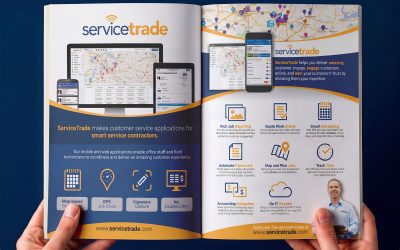
ServiceTrade
Designing a Magazine Advertisement That Explains Complex Software Clearly Overview ServiceTrade is a cloud-based field...
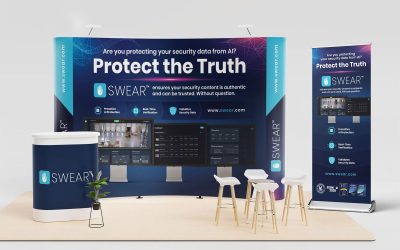
SWEAR
Creating a Trade Show Experience That Builds Brand Visibility and Trust Overview SWEAR is a technology company...
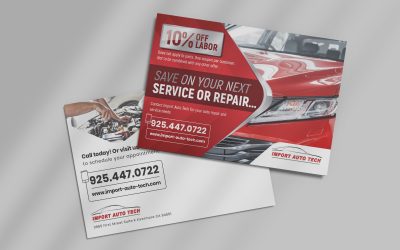
Import Auto Tech
Creating Direct Mail That Encourages Customer Engagement and Service Bookings Overview Import Auto Tech is an...
Create Business Cards That Represent Your Brand
At KitCreativity, we design professional business cards that combine strong branding, clear communication, and thoughtful print production.
Whether you’re launching a new business, refreshing your brand identity, or simply looking for a more professional way to represent your company, we can create business cards that make a lasting impression.
Need a business card that looks as professional as your business? Get in touch with KitCreativity to discuss your project.