
Why Print Marketing Still Works in a Digital World
Digital marketing has transformed the way businesses reach their customers.
Social media, email campaigns, search engines, and online advertising allow businesses to connect with audiences almost instantly. With so much attention focused on digital channels, it can be easy to assume that traditional print marketing is no longer relevant.
But print isn’t dead.
In fact, when used strategically, print marketing can complement digital marketing and help businesses create stronger, more memorable brand experiences.
From business cards and brochures to packaging, postcards, catalogues, and promotional materials, printed design continues to play an important role in how businesses communicate with their customers.
So why does print marketing still work in a digital-first world?

1. Print Creates a Physical Brand Experience
Digital content exists on a screen.
Print exists in the real world.
There is something different about physically holding a beautifully designed brochure, business card, product package, or promotional postcard.
The paper, texture, finish, typography, imagery, and overall presentation all contribute to the experience.
This physical interaction can make a brand feel more tangible and memorable.
For businesses competing in crowded markets, creating a physical experience can help reinforce the impression made by digital channels.
2. Print Can Make Your Brand More Memorable
People see thousands of digital messages every day.
Emails, social media posts, advertisements, notifications, and websites constantly compete for attention.
Printed materials have a different advantage: they can remain in front of someone long after the initial interaction.
A well-designed business card may stay on a desk.
A brochure may be kept for future reference.
A postcard may sit on a counter.
Product packaging may remain in a customer’s home for weeks or months.
This physical presence gives print an opportunity to reinforce your brand repeatedly.
Good print design isn’t simply about putting information on paper.
It’s about creating something people remember.
3. Print Can Build Trust and Professionalism
The quality of your printed materials can influence how people perceive your business.
Imagine receiving two brochures from competing companies.
One uses inconsistent typography, low-resolution images, poor spacing, and thin generic paper.
The other has a clear visual hierarchy, professional photography, consistent branding, and carefully considered production finishes.
Even before reading the content, you may naturally perceive the second business as more professional.
This is why print design matters.
A professionally designed and produced piece of marketing material can reinforce the quality and credibility of your brand.

4. Print and Digital Marketing Work Better Together
Print marketing doesn’t need to compete with digital marketing.
They can work together.
A printed postcard can direct customers to a website.
A brochure can include a QR code leading to a landing page.
A business card can encourage someone to connect on LinkedIn.
A product package can direct customers to a social media campaign.
This creates a bridge between physical and digital experiences.
For example, a printed marketing campaign might use a QR code that takes customers to a dedicated landing page where they can:
- Request a quote
- Register for an offer
- Download information
- Book an appointment
- Visit an online store
- Follow the brand
The printed material captures attention, while the digital experience provides the next step.

5. Print Helps You Reach People Beyond Social Media Algorithms
Digital marketing comes with an important challenge: you’re often competing with algorithms.
A social media post may reach only a portion of your audience.
An email can be ignored or buried.
An online advertisement can disappear as soon as the campaign ends.
Print gives businesses another way to reach customers without depending entirely on digital platforms.
Direct mail, brochures, postcards, catalogues, flyers, and other printed materials can be distributed directly to a specific audience or location.
For local businesses, this can be particularly valuable.
6. Print Can Be Highly Targeted
Print marketing isn’t necessarily about sending thousands of generic flyers to everyone.
Modern print campaigns can be highly targeted.
For example, a business could send different brochures to different customer groups based on:
- Industry
- Location
- Customer type
- Product interest
- Purchase history
- Business size
- Stage in the buying process
A targeted piece of print communication can feel much more relevant than a generic advertisement.
The key is understanding who you’re trying to reach and designing the message accordingly.
7. Packaging Is One of the Most Powerful Forms of Print Marketing
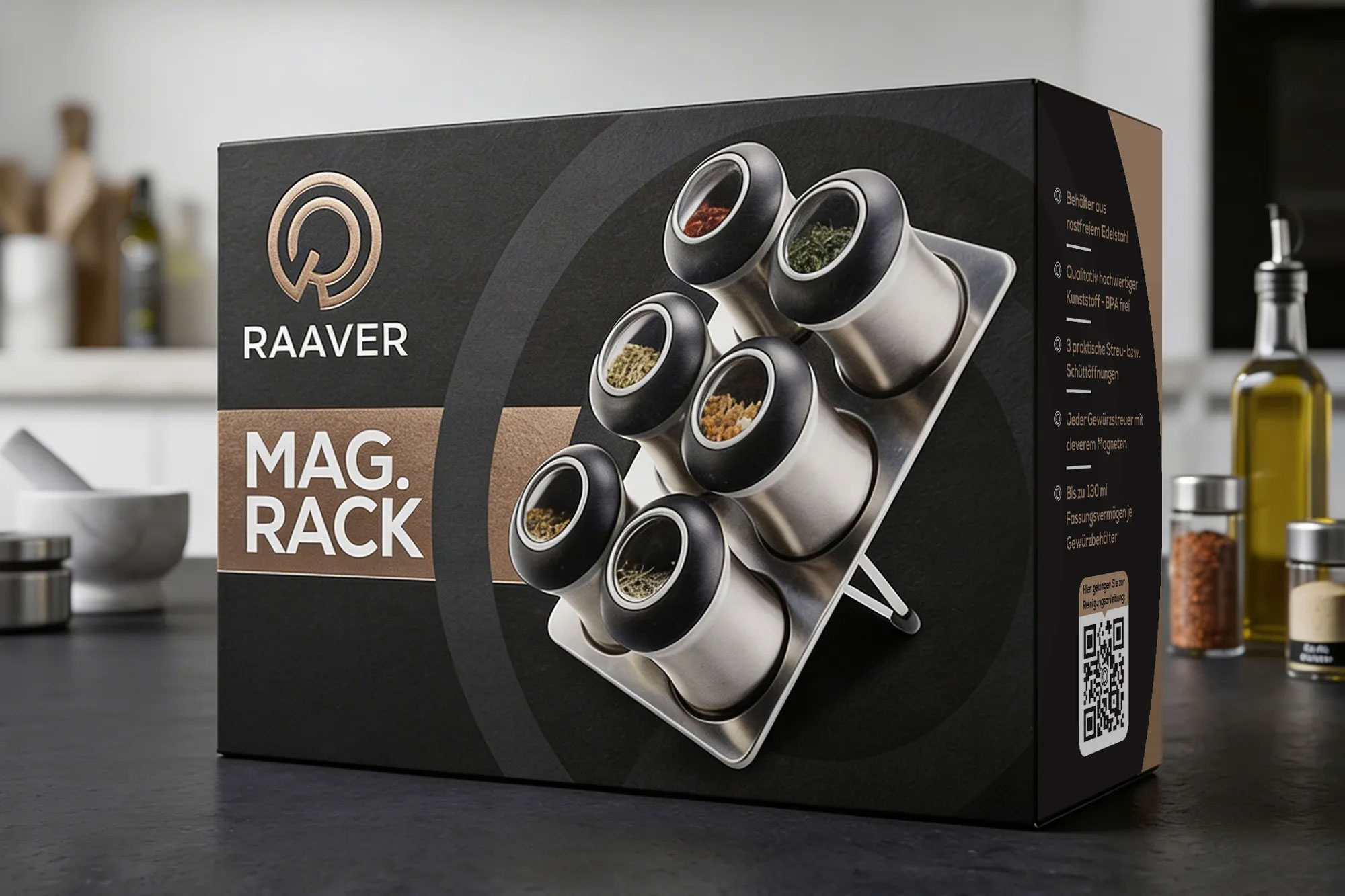
For product-based businesses, packaging may be one of the most important marketing tools they have.
Customers interact with packaging at the exact moment they are considering or using the product.
Your packaging needs to communicate:
- What the product is
- Who it’s for
- Why it is different
- What the brand represents
- Why customers should trust it
On a retail shelf, packaging may also compete directly with dozens of alternatives.
Strong packaging design can help attract attention, communicate value, and create recognition.
Unlike an online advertisement that disappears after a few seconds, packaging can remain in front of the customer throughout the product experience.
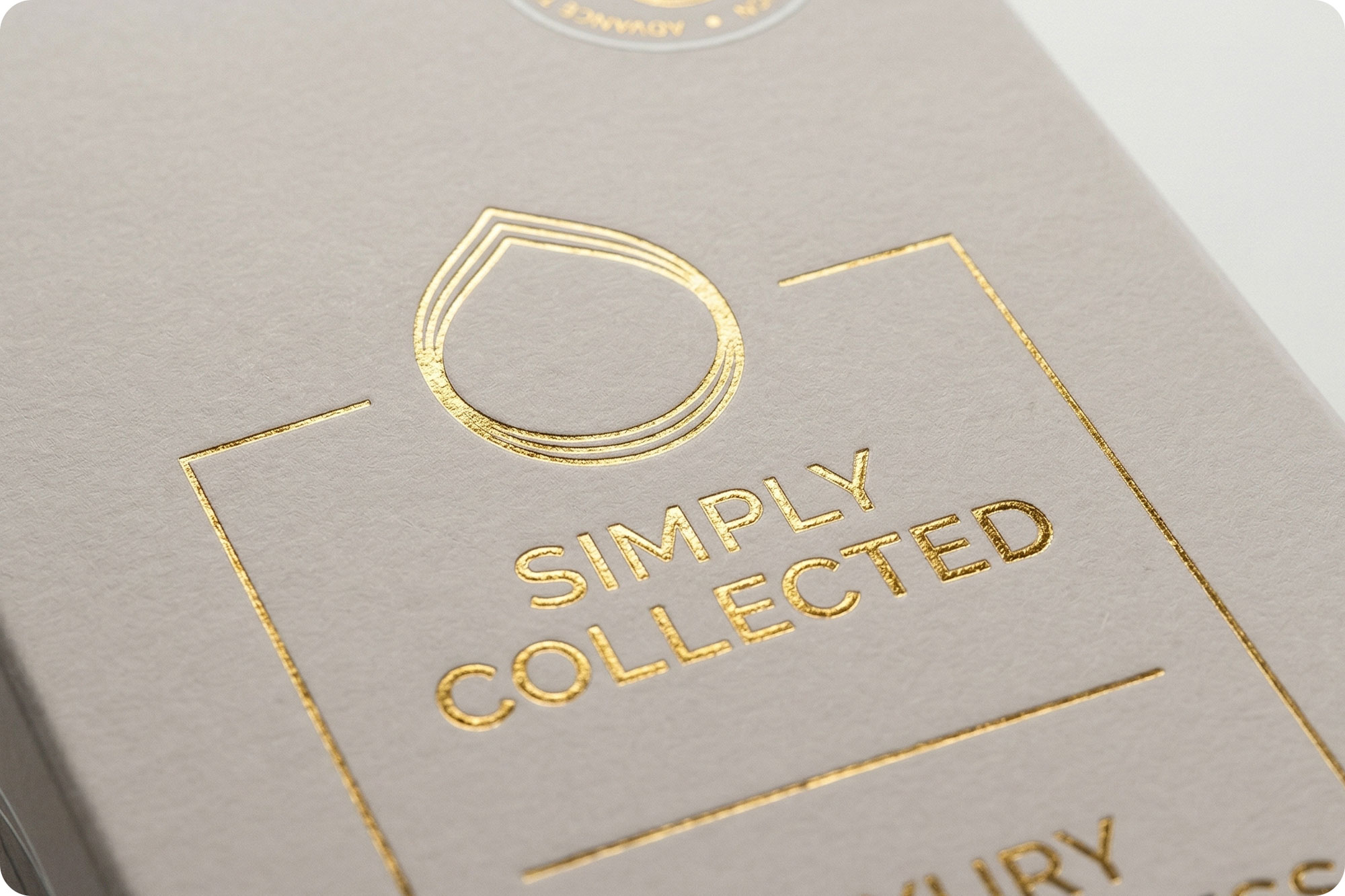
8. Print Gives Designers More Opportunities to Use Materials and Finishes
Digital design is limited to what can be displayed on a screen.
Print opens up another dimension: physical production.
Depending on the project, designers can work with:
- Specialty papers
- Embossing
- Debossing
- Foil stamping
- Spot UV
- Die cutting
- Metallic inks
- Textured stocks
- Custom shapes
- Pantone colours
These techniques can transform a simple printed piece into something more tactile and distinctive.
Of course, special finishes shouldn’t be used simply for decoration.
The best print design uses production techniques strategically to reinforce the brand and improve the overall experience.
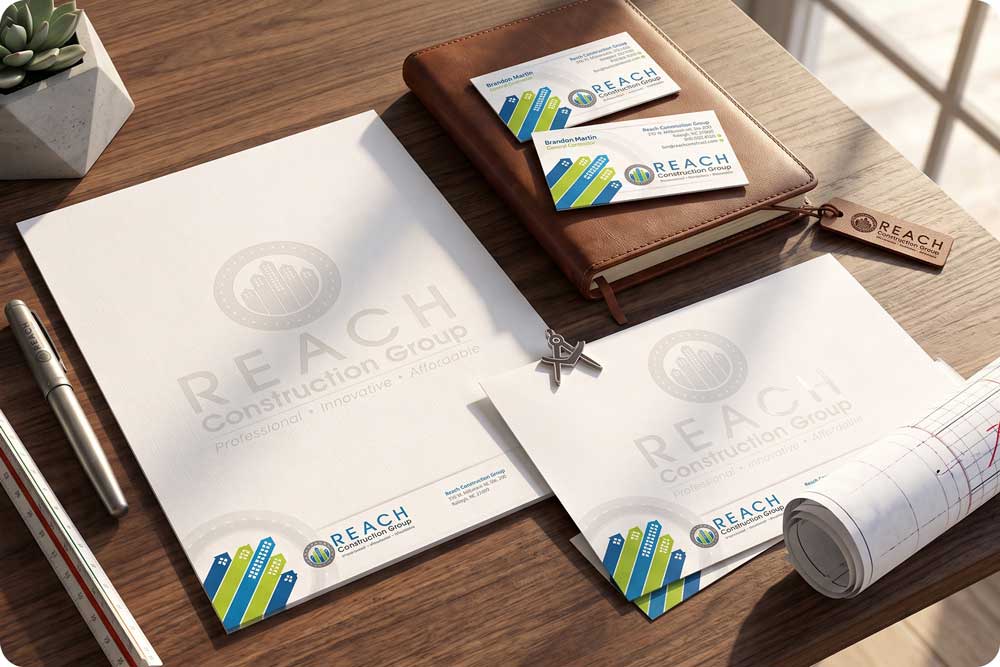
9. Print Can Strengthen Brand Consistency
Strong brands are consistent across every customer touchpoint.
Your website, social media, packaging, brochures, business cards, signage, and advertisements should feel like they belong to the same company.
Print marketing provides another opportunity to reinforce your visual identity.
Consistent use of:
- Logo
- Colour palette
- Typography
- Photography
- Graphic elements
- Tone of voice
helps create stronger brand recognition.
When customers encounter your business in different places, consistent design makes the brand easier to recognise and remember.
10. Print Can Feel More Personal
Digital communication can sometimes feel disposable.
Another promotional email can be deleted with a click.
Another social media advertisement can be scrolled past instantly.
A thoughtfully designed printed piece can feel more intentional.
A personalised postcard, premium invitation, direct-mail package, or professionally designed brochure can communicate that a business has invested time and effort into the interaction.
That sense of effort can contribute to a stronger emotional connection with the brand.
Different Types of Print Marketing
Print marketing can take many forms, depending on your business and marketing objectives.
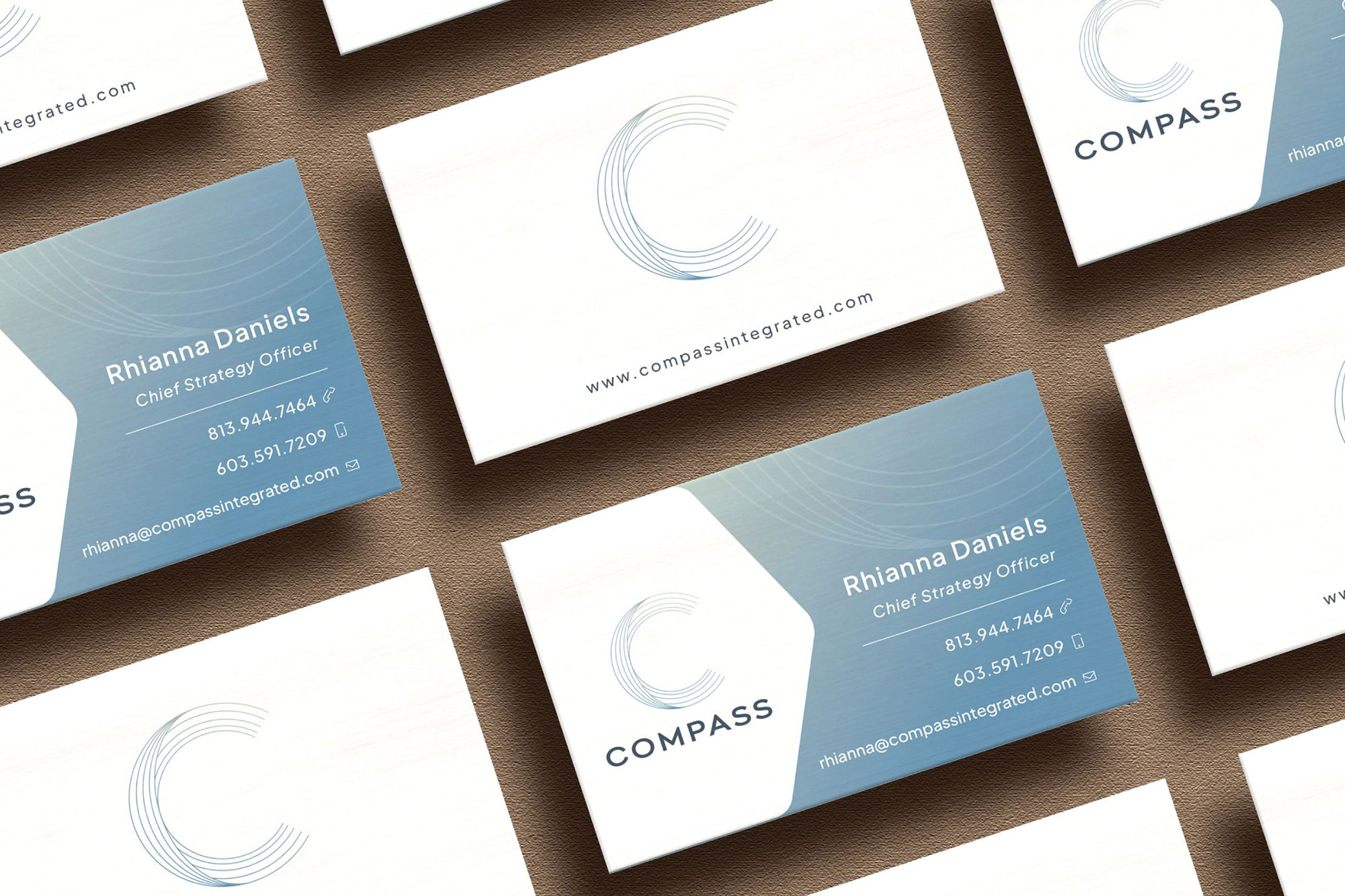
Business Cards
Business cards remain useful for networking, meetings, events, and personal introductions.
A well-designed card provides a physical reminder of your conversation and makes it easy for someone to reconnect with you later.
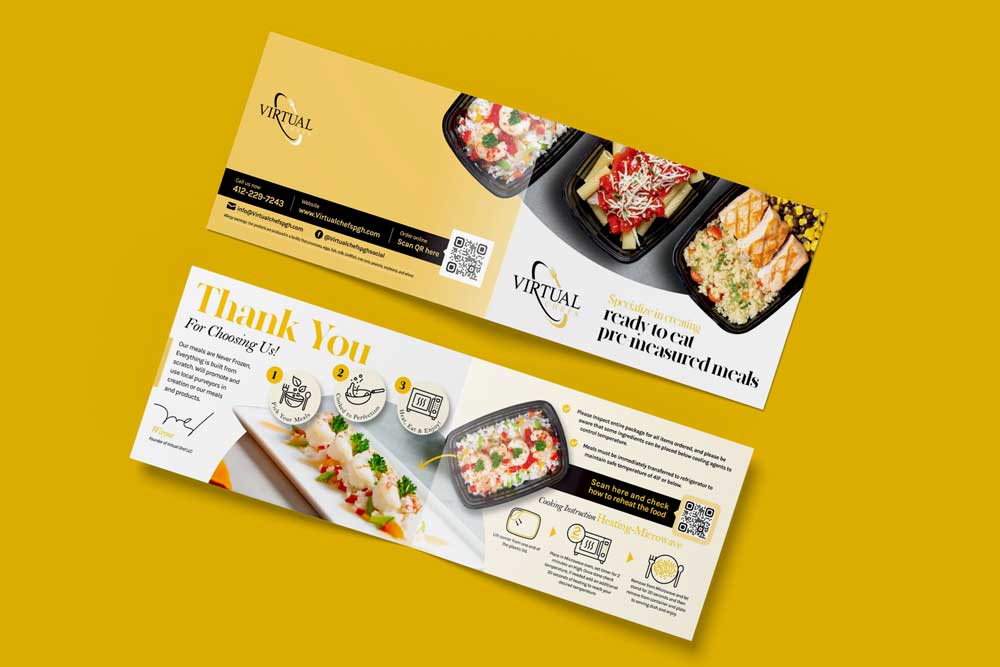
Brochures
Brochures are useful when customers need more information about your products, services, or company.
They can organise complex information into a structured and easy-to-read format.
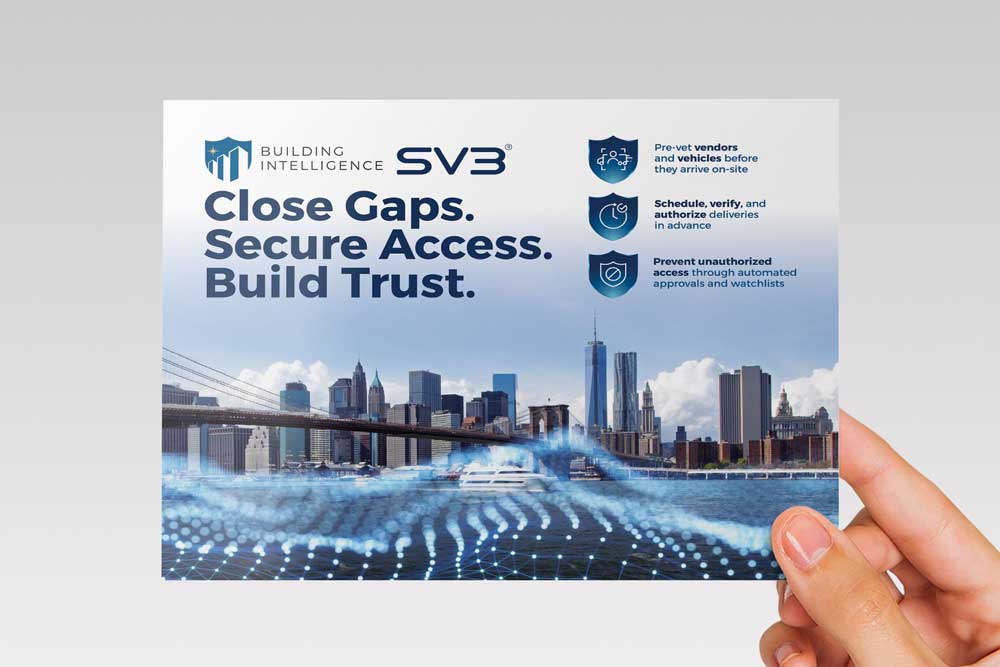
Postcards
Postcards are particularly useful for promotions, announcements, direct-mail campaigns, and local marketing.
Their compact format allows businesses to communicate a focused message without overwhelming the recipient.
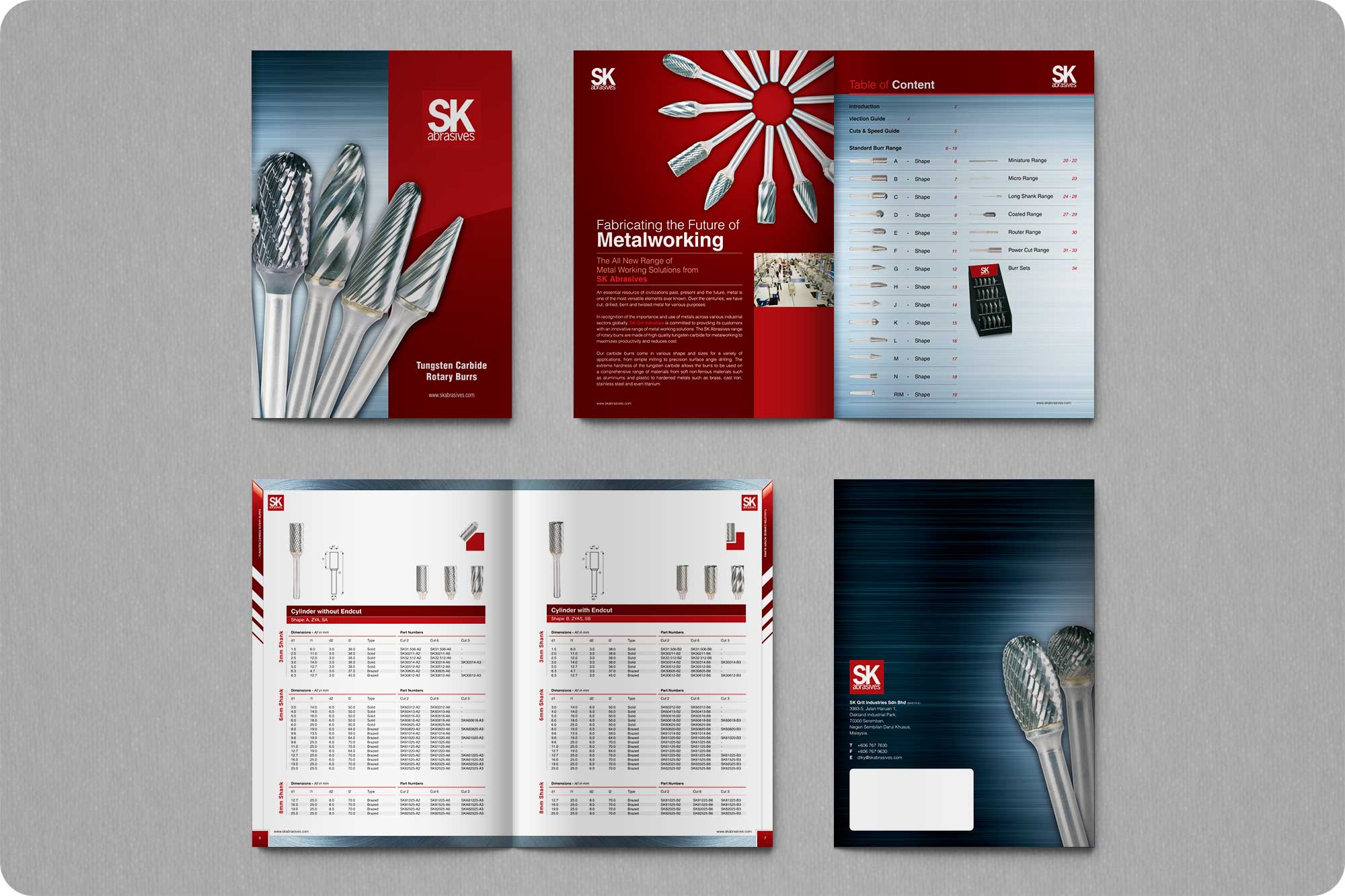
Catalogues
Catalogues allow businesses to showcase multiple products or services in a structured format.
They can be especially effective for industries where customers need to compare products or specifications.

Packaging
Packaging combines product protection with branding and marketing.
It is one of the few forms of print communication that customers interact with throughout the entire purchasing experience.
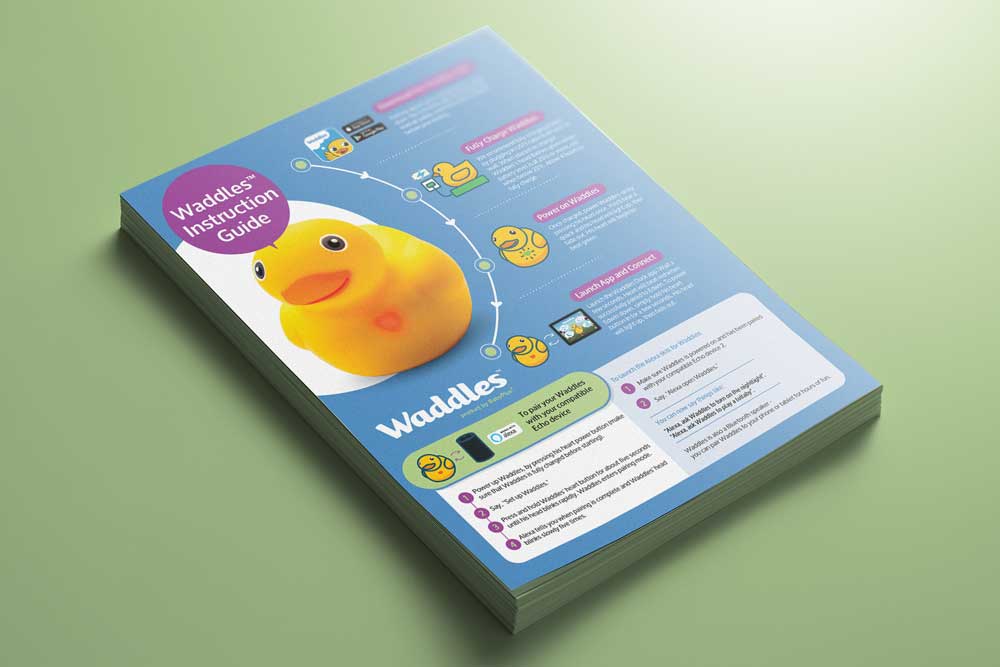
Flyers
Flyers can be effective for local promotions, events, announcements, and targeted campaigns.
The key is to keep the message focused and make the desired action obvious.
How to Make Print Marketing More Effective
Simply printing something doesn’t guarantee results.
Successful print marketing starts with strategy.
Know Your Audience
Understand who will receive the material and what matters to them.
Have One Clear Message
Avoid trying to communicate everything at once.
Identify the most important message and make it the visual focus.
Use Strong Visual Hierarchy
Readers should immediately understand what is most important, what comes next, and where they should look for additional information.
Include a Clear Call-to-Action
Tell people what to do next.
For example:
- Visit our website.
- Scan to learn more.
- Request a quote.
- Book a consultation.
- Visit our store.
Invest in Quality
Poor printing can undermine excellent design.
Consider paper stock, colour accuracy, finishing, production quality, and how the final piece will be handled.

Print Marketing Doesn’t Have to Be Expensive
One common misconception is that effective print marketing requires a large budget.
It doesn’t.
The right format depends on your objectives.
A carefully designed postcard campaign may be more effective than producing a large catalogue that nobody reads.
A premium business card may be more valuable for a consultant than thousands of flyers.
A well-designed product label may generate more value over time than a short advertising campaign.
The goal isn’t to print more.
The goal is to print with purpose.
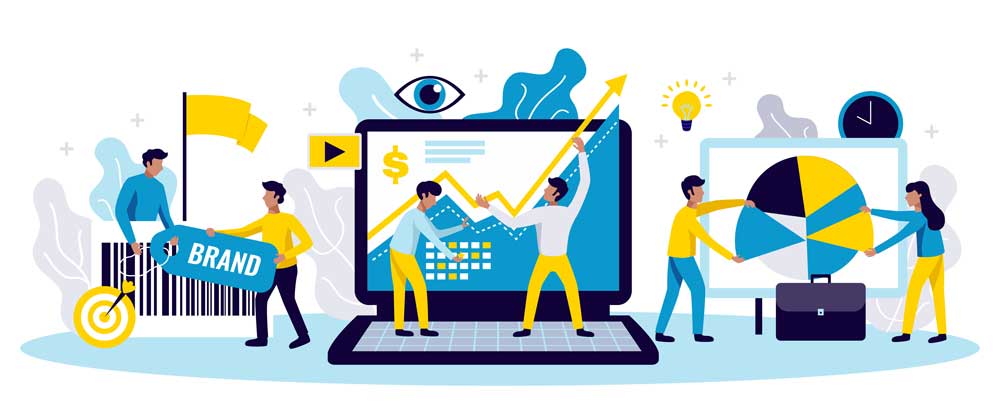
The Future of Marketing Is Both Digital and Physical
The question isn’t whether businesses should choose print or digital marketing.
The strongest marketing strategies often combine both.
Digital channels provide speed, flexibility, targeting, and measurable data.
Print provides physical presence, tactile experiences, and opportunities for memorable brand interactions.
When these channels are designed as part of the same brand strategy, they can reinforce one another.
A customer might discover your business through Google, visit your website, receive a printed brochure, see your packaging in a store, and eventually follow your social media account.
Every interaction contributes to the overall brand experience.
Final Thoughts
Print marketing remains relevant because people still interact with the physical world.
A beautifully designed business card, brochure, postcard, package, or catalogue can create a memorable experience that a digital advertisement cannot always replicate.
The most effective approach isn’t to choose between print and digital.
It’s to understand what each channel does best and use them together.
Good print design doesn’t simply put information on paper. It turns your brand into a physical experience.
Learn More About Marketing & Print Design
Why Print Marketing Still Works in a Digital World
How Professional Brochure Design Can Help Your Business Stand Out
Why Business Card Design Still Matters for Professional Branding
How Postcard Design Can Make Direct Mail More Effective
Marketing Collateral: What Your Business Really Needs
Featured Marketing & Print Design Case Studies
ServiceTrade
Designing a Magazine Advertisement That Explains Complex Software Clearly Overview ServiceTrade is a cloud-based field...
SWEAR
Creating a Trade Show Experience That Builds Brand Visibility and Trust Overview SWEAR is a technology company...
Import Auto Tech
Creating Direct Mail That Encourages Customer Engagement and Service Bookings Overview Import Auto Tech is an...
Create Print Materials That Represent Your Brand
At KitCreativity, we create professional marketing and print designs that combine strong visual communication with consistent brand identity.
From brochures and postcards to packaging, business cards, marketing collateral, and other printed materials, every piece is designed to communicate your brand clearly and professionally.
Need print materials that make your business stand out? Get in touch with KitCreativity to discuss your project.