
How Professional Brochure Design Can Help Your Business Stand Out
In a digital-first world, businesses have more ways than ever to communicate with potential customers.
Websites, social media, email campaigns, and online advertising can all play an important role in marketing. But when customers need more detailed information about your products or services, a well-designed brochure can still be one of the most effective marketing tools available.
A brochure gives your business something valuable that digital communication often cannot: a physical piece of your brand that customers can hold, explore, and keep.
However, simply putting information onto a few pages isn’t enough.
A professional brochure should communicate your message clearly, reflect your brand, and guide readers toward taking action.
So, what makes brochure design effective, and how can a professionally designed brochure help your business stand out?

1. A Brochure Gives Your Brand a Physical Presence
Most digital marketing disappears as quickly as it appears.
A social media post can be scrolled past. An online advertisement can disappear after a campaign ends. An email can be deleted within seconds.
A brochure is different.
It can be picked up, read at the customer’s convenience, shared with colleagues, or kept for future reference.
This physical presence gives your brand another opportunity to make an impression.
For businesses attending exhibitions, meeting potential clients, visiting customers, or operating in professional environments, a brochure can become a valuable extension of the brand.
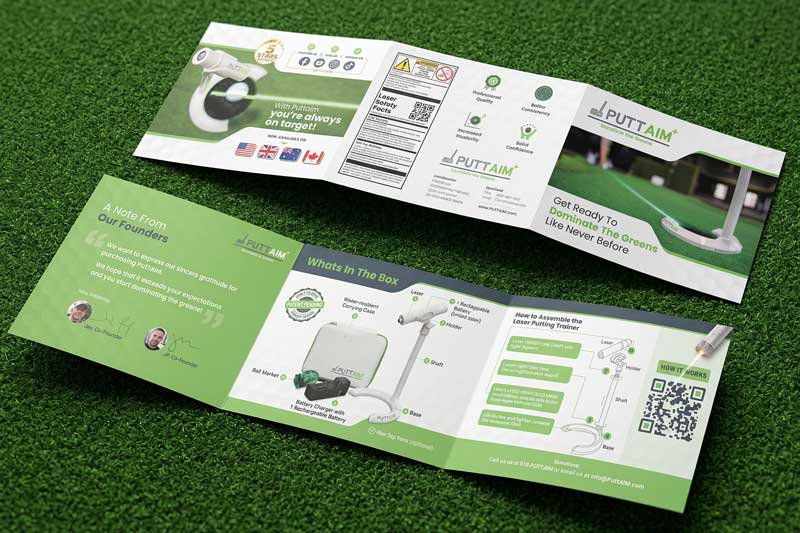
2. Professional Design Creates a Strong First Impression
Your brochure may be one of the first physical pieces of marketing material a potential customer encounters.
Before reading the content, people notice the design.
They see:
- The cover
- Colours
- Typography
- Images
- Layout
- Brand identity
- Paper quality
A professionally designed brochure can immediately communicate that your business is established, organised, and serious about what it does.
Poor design can have the opposite effect.
Crowded layouts, inconsistent typography, low-quality images, and unclear information can make even an excellent business look less professional.
Good brochure design makes sure the visual presentation supports the quality of the business behind it.
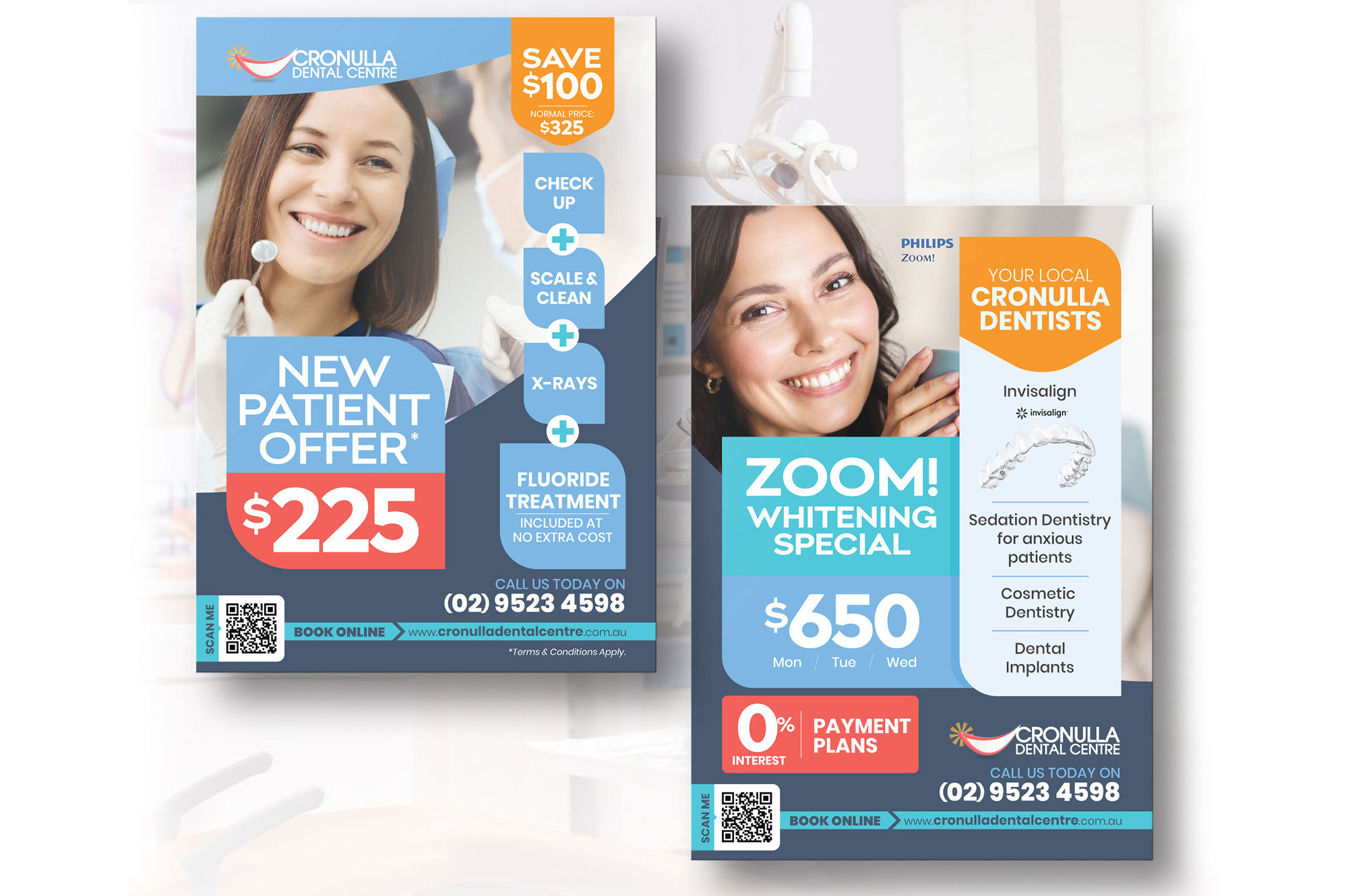
3. A Brochure Helps You Explain Complex Services
Not every business can explain what it does in a single sentence.
Some products and services require additional context.
A brochure gives you space to explain your offering in a structured way without overwhelming your audience.
For example, a professional services company could use a brochure to introduce:
- Company background
- Core services
- Areas of expertise
- Process
- Benefits
- Case studies
- Testimonials
- Contact information
Instead of sending potential customers to several different pages or documents, a well-structured brochure can bring the most important information together in one place.

4. Good Layout Makes Information Easier to Understand
A brochure isn’t simply a collection of text and images.
The way information is organised determines how easily people can understand it.
Professional brochure design uses visual hierarchy to guide the reader.
Important information may be emphasised through:
- Headings
- Subheadings
- Typography
- Images
- Icons
- Colour
- White space
- Callout sections
This allows readers to scan the brochure quickly while still finding the details they need.
The goal isn’t to make every element equally prominent.
It’s to help the reader understand what matters most.
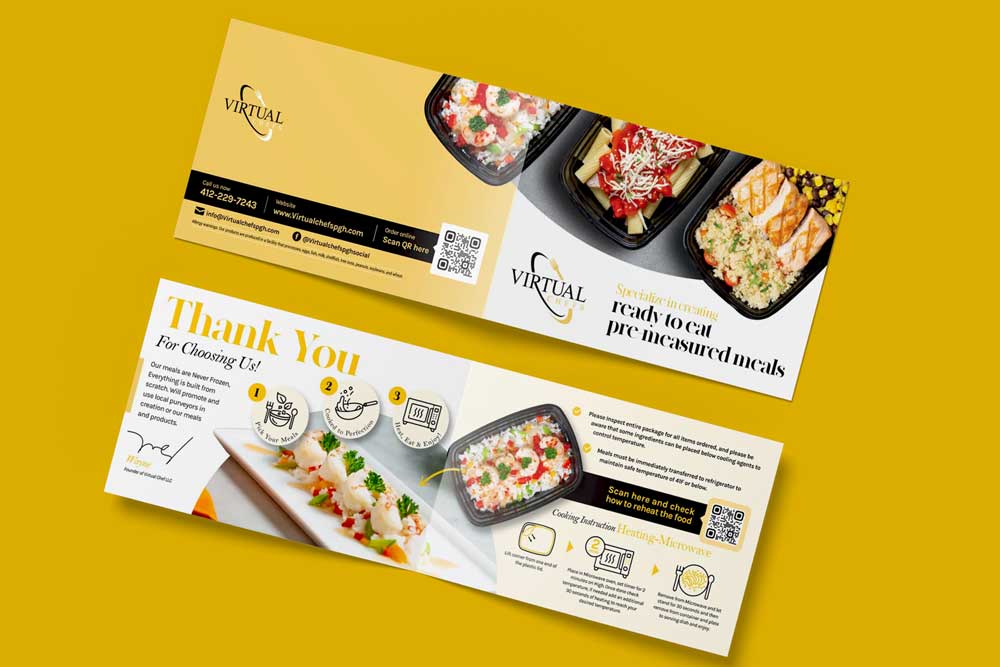
5. Strong Photography Can Transform a Brochure
Images can communicate information faster than paragraphs of text.
High-quality photography can help demonstrate your products, projects, facilities, team, or services.
For example, a construction company could showcase completed projects. A manufacturer could highlight its production capabilities. A restaurant could showcase its food and environment.
The right images help readers visualise what your business offers.
However, images should support the message rather than simply fill empty space.
Every visual element should have a purpose.
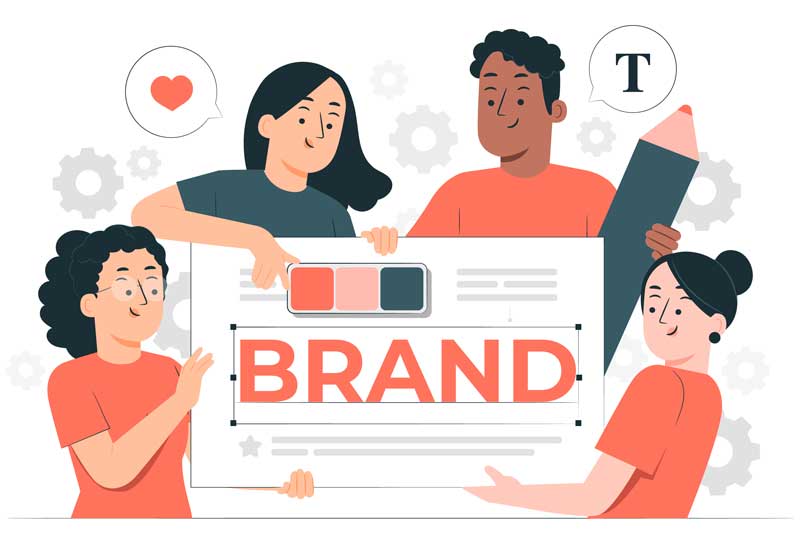
6. Your Brochure Should Reflect Your Brand Identity
A brochure should never feel disconnected from the rest of your marketing.
It should look like it belongs to the same brand as your:
- Website
- Business cards
- Packaging
- Social media
- Advertising
- Signage
- Presentations
Consistent colours, typography, imagery, graphic elements, and tone of voice create a cohesive brand experience.
When customers encounter your business across multiple channels, consistency makes the brand easier to recognise.
This is particularly important for businesses that want to build a strong and professional identity.

7. Brochures Can Support Sales Conversations
A brochure can become a useful tool during meetings and presentations.
Instead of relying entirely on verbal explanations, sales teams can use a brochure to support their conversation.
It can provide a structured overview of the company while allowing the salesperson to focus on the customer’s specific needs.
After the meeting, the customer can take the brochure with them.
This gives them something tangible to refer back to when they’re comparing options or discussing the service with colleagues.

8. A Brochure Can Build Trust Through Evidence
Customers want evidence before making decisions.
A brochure can include credibility-building elements such as:
- Client logos
- Testimonials
- Case studies
- Awards
- Certifications
- Industry memberships
- Years of experience
- Project statistics
- Product specifications
These elements help transform general claims into tangible evidence.
For example, instead of simply saying that your company has extensive experience, you could show selected projects, industries served, or measurable achievements.
This gives potential customers more reasons to trust your business.

9. Brochures Can Include Clear Calls-to-Action
A brochure shouldn’t simply end with your company logo and contact details.
It should encourage the reader to take the next step.
Depending on your business, this could be:
- Request a Quote
- Visit Our Website
- Book a Consultation
- Call Our Team
- Scan to Learn More
- Visit Our Showroom
A clear call-to-action turns the brochure from an information document into a marketing tool.
QR codes can also connect printed materials to digital experiences, allowing customers to move directly from the brochure to a website, portfolio, product page, booking system, or enquiry form.
10. Different Brochure Formats Serve Different Purposes
There isn’t one brochure format that works for every business.
The appropriate format depends on the amount of information, audience, distribution method, and budget.
Common formats include:
Bi-Fold Brochure
A simple and versatile format suitable for shorter amounts of information.
Tri-Fold Brochure
A popular option for marketing campaigns, service overviews, and promotional materials.
Z-Fold Brochure
Useful when information needs to be presented in a sequence or series of sections.
Gate-Fold Brochure
A more distinctive format that can create a strong visual reveal when opened.
Multi-Page Booklet
Suitable for businesses that need to communicate more detailed information, such as product catalogues, company profiles, or service guides.
The format should support the content, not dictate it.
Good Brochure Design Starts With Strategy
One of the biggest mistakes businesses make is starting with the design before deciding what the brochure needs to achieve.
Before choosing fonts, images, or colours, consider:
Who is the brochure for?
Understanding your audience helps determine the language, visuals, tone, and amount of information required.
What is the main objective?
Are you trying to generate enquiries, introduce your company, promote a product, support a sales presentation, or provide technical information?
What should the reader remember?
A brochure should have a clear central message rather than trying to communicate everything about the business.
What should the reader do next?
Every marketing piece should have a logical next step.
When these questions are answered first, the design process becomes much more focused.
Avoid Turning Your Brochure Into a Wall of Text
One of the most common brochure design problems is trying to include too much information.
Businesses naturally want to tell potential customers everything they can do.
The result is often a brochure filled with paragraphs, tiny fonts, and very little breathing room.
More information doesn’t necessarily mean more effective communication.
A better approach is to prioritise.
Identify the information your audience actually needs and structure it into digestible sections.
Use headings, short paragraphs, bullet points, images, and white space to make the content easier to absorb.
A good brochure should invite people to read – not make them feel like they’re studying a document.
Print Quality Matters Too
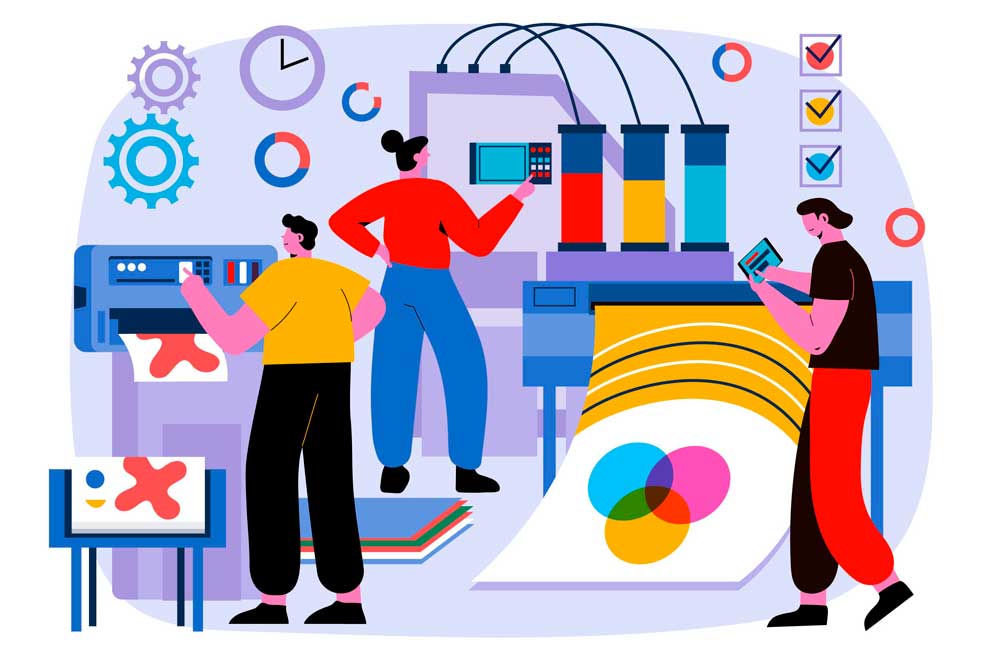
Great design can be weakened by poor production.
Once the artwork is complete, decisions about printing can affect how the final brochure feels.
Consider:
- Paper stock
- Paper weight
- Matte or gloss finish
- Colour accuracy
- Folding
- Binding
- Spot UV
- Foil stamping
- Embossing
- Special finishes
Not every brochure needs premium finishes.
Sometimes a simple, well-produced brochure on quality paper can create a stronger impression than an overly complicated design.
The right production choices should reflect the brand, audience, and purpose of the project.
Brochures and Digital Marketing Can Work Together
Print and digital marketing don’t have to operate separately.
A brochure can become the physical starting point for a digital customer journey.
For example:
Brochure → QR Code → Website → Case Study → Enquiry Form
This creates a seamless connection between the physical and digital sides of your marketing.
You can also use unique QR codes or landing pages to help track the response from specific campaigns.
This makes print marketing more measurable and allows businesses to understand how customers are interacting with their materials.
When Should Your Business Consider a Brochure?
A brochure can be particularly useful when:
- Your services require explanation
- Your sales process involves face-to-face meetings
- You attend trade shows or exhibitions
- You visit potential clients
- You sell multiple products
- Customers need information they can take away
- Your business wants stronger physical marketing materials
- You want to support an integrated print and digital campaign
The important question isn’t whether every business needs a brochure.
It’s whether a brochure makes sense for your audience and your marketing
Final Thoughts
A brochure may seem like a simple piece of printed material, but effective brochure design combines branding, communication, layout, photography, content strategy, and print production.
The best brochures don’t simply contain information.
They guide readers through a story, communicate value, build credibility, and encourage action.
In a world where customers are surrounded by digital content, a thoughtfully designed physical piece can provide a refreshing and memorable brand experience.
When print is designed with purpose, it can become much more than paper—it becomes a powerful extension of your brand.
Learn More About Marketing & Print Design
Why Print Marketing Still Works in a Digital World
How Professional Brochure Design Can Help Your Business Stand Out
Why Business Card Design Still Matters for Professional Branding
How Postcard Design Can Make Direct Mail More Effective
Marketing Collateral: What Your Business Really Needs
Featured Marketing & Print Design Case Studies
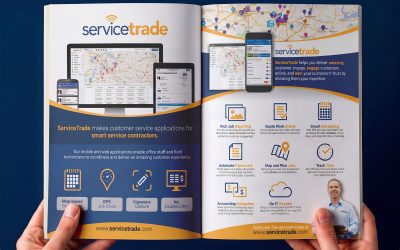
ServiceTrade
Designing a Magazine Advertisement That Explains Complex Software Clearly Overview ServiceTrade is a cloud-based field...
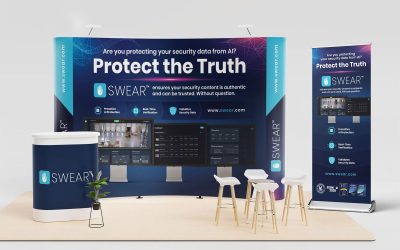
SWEAR
Creating a Trade Show Experience That Builds Brand Visibility and Trust Overview SWEAR is a technology company...
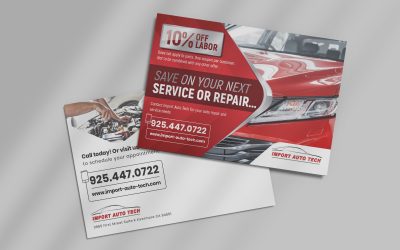
Import Auto Tech
Creating Direct Mail That Encourages Customer Engagement and Service Bookings Overview Import Auto Tech is an...
Need a Professional Brochure for Your Business?
At KitCreativity, we create professional brochure and marketing collateral designs that combine clear communication with strong visual presentation.
From company profiles and service brochures to promotional materials and multi-page marketing documents, each design is created to reflect your brand and communicate your message effectively.
Looking for a brochure that makes your business stand out? Get in touch with KitCreativity to discuss your project.