
How Website Design Can Help Generate More Leads for Your Business
A business website should do more than tell people who you are and what you offer.
It should help turn visitors into potential customers.
Whether you run a service business, professional consultancy, agency, eCommerce brand, or local company, your website can play an important role in generating enquiries and new business. But simply having a website isn’t enough.
A website needs to be designed around the actions you want visitors to take.
When design, content, user experience, and calls-to-action work together, your website can become a valuable lead-generation tool.
Here’s how.
1. Make Your Value Proposition Immediately Clear
Visitors shouldn’t have to figure out what your business does.
When someone lands on your homepage, they should quickly understand:
- What your business offers
- Who you help
- What problem you solve
- Why they should consider you
- What they should do next
Your homepage headline and supporting content should communicate this clearly.
For example, instead of a vague headline such as “Welcome to Our Company,” a more specific statement can immediately explain the service and its value.
Clear communication reduces confusion and helps visitors decide whether your business is relevant to them.
2. Create a Strong Homepage Structure
Your homepage is often the most important page on your website.
It needs to guide visitors through the information they need before they’re ready to contact you.
A strong homepage may include:
- A clear value proposition
- Primary call-to-action
- Overview of services
- Key benefits
- Trust signals
- Portfolio or case studies
- Testimonials
- About the business
- Frequently asked questions
- Final call-to-action
The exact structure depends on the business, but the principle remains the same:
Don’t make visitors work to understand why they should choose you.
3. Use Clear Calls-to-Action
A visitor may be interested in your service but still not know what to do next.
This is where calls-to-action become important.
Examples include:
- Get a Quote
- Request a Consultation
- Book a Call
- Start Your Project
- Contact Us
- View Our Work
- Get Started
Your calls-to-action should be clear and relevant to the visitor’s stage in the decision-making process.
A visitor who has just discovered your business may want to learn more before contacting you, while someone who has already reviewed your services may be ready to request a quote.
Good website design provides both opportunities.

4. Make Contacting You Easy
If getting in touch with your business feels difficult, potential customers may simply give up.
Your contact information should be easy to find.
Depending on your business, this might include:
- Contact forms
- Email addresses
- Phone numbers
- Booking links
- Location information
- Social media channels
Don’t hide your contact details at the bottom of one page and expect visitors to search for them.
Make it easy for someone who is ready to contact you to do so immediately.

5. Build Trust Before Asking for the Sale
Most visitors aren’t ready to contact a business the moment they arrive.
They need reassurance first.
This is particularly important for higher-value services where customers are making a significant investment.
Your website can build confidence through:
- Testimonials
- Client logos
- Case studies
- Portfolio examples
- Awards
- Certifications
- Industry experience
- Reviews
- Results and measurable outcomes
These elements provide evidence that your business can deliver what it promises.
Instead of simply saying “We’re experienced,” show visitors why they should believe you.
6. Use Case Studies to Demonstrate Your Expertise
Case studies are particularly effective for service-based businesses.
Rather than simply listing what you do, case studies show visitors how you’ve helped real clients.
A good case study can explain:
The Challenge
What problem did the client have?
The Approach
How did you solve it?
The Result
What changed as a result of your work?
This gives potential customers a better understanding of your capabilities and helps them imagine what you could do for their own business.
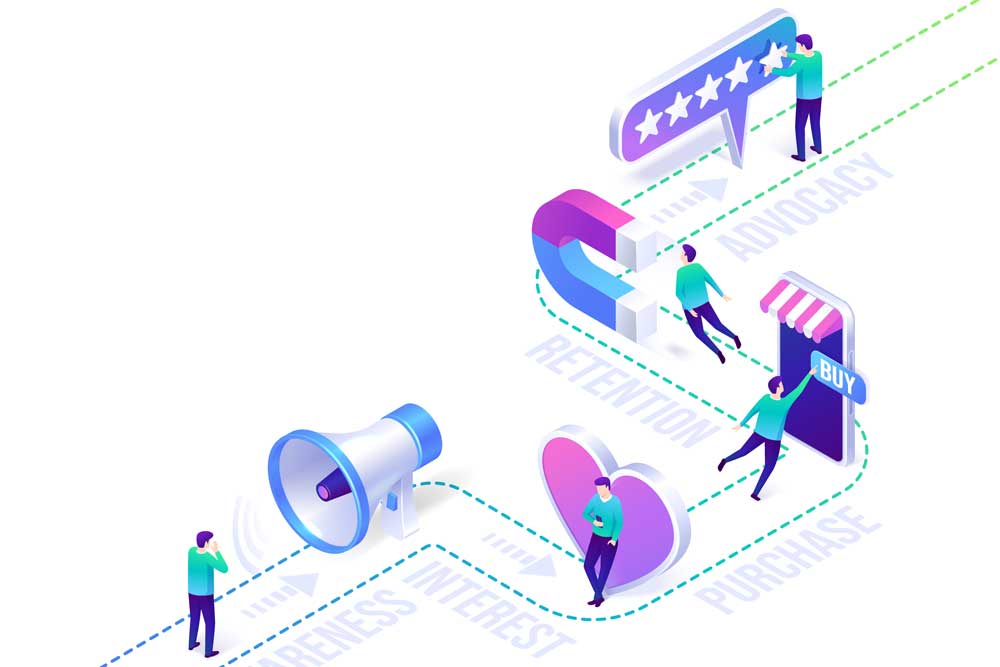
7. Design for the Customer Journey
Not every visitor arrives at the same stage of the buying process.
Some may be discovering your business for the first time. Others may already know what they need and simply be comparing providers.
Your website should support different levels of intent.
For example:
First-time visitor → Learn about your business
Interested visitor → Explore your services
Potential customer → Review case studies and testimonials
Ready-to-buy visitor → Request a quote or contact you
A well-designed website provides information and calls-to-action appropriate for each stage.
8. Reduce Unnecessary Distractions
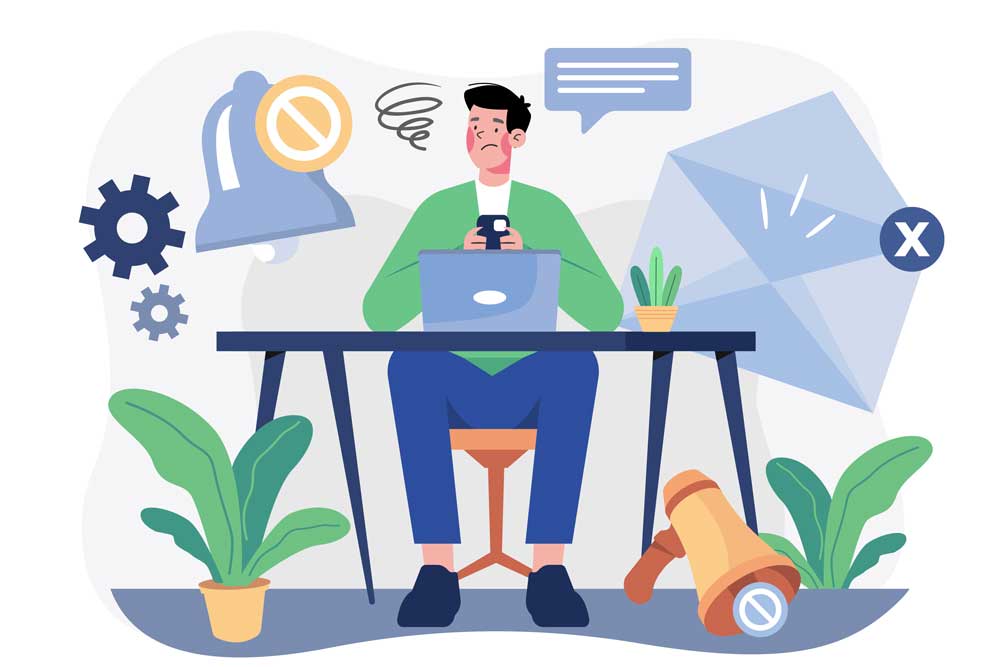
More isn’t always better.
Adding too many banners, pop-ups, animations, buttons, and competing messages can make it difficult for visitors to know what to do.
A focused website gives each page a clear purpose.
Ask yourself:
What is the most important action I want visitors to take on this page?
Once you know the answer, the design can support that goal.
Good design isn’t about filling every available space.
It’s about directing attention to what matters.

9. Make Your Website Easy to Use on Mobile
Potential customers don’t only visit websites from desktop computers.
They may discover your business through their smartphone while travelling, browsing social media, searching Google, or responding to an email.
If the mobile experience is poor, you could lose potential leads before they ever reach your contact page.
A lead-generation website should make sure mobile visitors can easily:
- Read your content
- Navigate your pages
- View your work
- Click buttons
- Complete forms
- Call your business
- Request information
Responsive design is therefore an important part of conversion-focused website design.
10. Use Forms Strategically
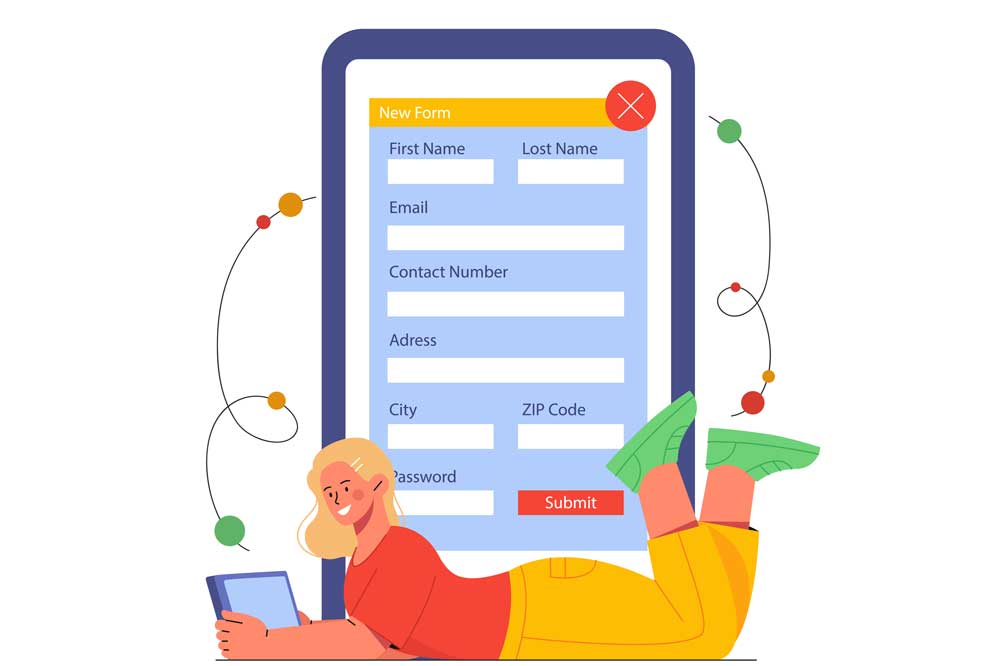
Contact forms are one of the simplest ways to capture leads.
However, forms can also become a barrier if they ask for too much information.
If someone simply wants to ask about your services, requiring ten or fifteen fields may discourage them from submitting the form.
Start with the information you genuinely need.
For example:
- Name
- Company
- Project details
You can always gather additional information later.
The easier it is to complete a form, the more likely visitors are to use it.

11. Write Content That Addresses Customer Problems
Your website shouldn’t only talk about your business.
It should talk about your customer’s needs.
Instead of focusing exclusively on statements like:
“We have 15 years of experience.”
Explain how that experience benefits the customer:
“With extensive experience across branding and packaging design, we help businesses create professional visual identities that stand out in competitive markets.”
The second approach connects your expertise with the customer’s potential outcome.
This is an important principle for lead generation:
People aren’t simply buying a service. They’re looking for a solution to a problem.
12. Make Your Pricing Strategy Clear
Pricing can be a sensitive subject, particularly for service businesses.
Not every business needs to publish exact prices, but providing some guidance can help qualify leads and reduce uncertainty.
Depending on your business model, you could provide:
- Starting prices
- Package information
- Typical project ranges
- What’s included
- A custom quote process
Clear expectations can help attract better-qualified enquiries.
13. Create Dedicated Landing Pages
Sending every visitor to your homepage isn’t always the best approach.
If you offer multiple services, consider creating dedicated pages for each major offering.
For example, a design studio might have separate pages for:
- Brand Identity Design
- Packaging Design
- Website Design
- Logo Design
- Marketing Design
A dedicated service page allows you to speak directly to the customer’s needs and create a focused call-to-action.
It can also provide a stronger landing page for search engine traffic and advertising campaigns.
14. Use Your Portfolio to Sell Your Expertise
For creative businesses, a portfolio is one of the strongest forms of proof.
Don’t simply show images.
Explain the thinking behind your work.
Include information about:
- The client’s challenge
- The project objectives
- Your creative approach
- The solution
- The final result
This transforms a portfolio from a gallery into a sales tool.
Potential customers aren’t only looking at how your work looks. They’re evaluating whether you understand problems similar to theirs.
Lead Generation Starts With Good Design
A lead-generating website doesn’t need to use aggressive sales tactics.
Instead, it should make the decision-making process easier.
Visitors should be able to quickly understand what you offer, see evidence of your expertise, find answers to their questions, and contact you when they’re ready.
That is where thoughtful website design makes a difference.
Measure What Matters
Once your website is designed to generate leads, you need to understand whether it’s working.
Depending on your business, useful metrics can include:
- Website traffic
- Contact form submissions
- Quote requests
- Phone calls
- Consultation bookings
- Landing page conversion rates
- Traffic sources
- Most visited pages
Analytics can reveal where visitors are coming from, what they’re interested in, and where they may be leaving the website.
This information can then be used to continuously improve the website.
What If Your Website Gets Traffic But No Enquiries?
If people are visiting your website but you’re receiving very few enquiries, the problem may not be traffic.
It could be conversion.
Review your website and ask:
- Is the value proposition clear?
- Are your services easy to understand?
- Is there a clear call-to-action?
- Can visitors find your contact information?
- Do you have enough trust signals?
- Does your website work well on mobile?
- Are your forms easy to complete?
- Does your content address customer concerns?
- Is your website easy to navigate?
If several answers are “no,” your website may need a conversion-focused redesign.
Final Thoughts
A website should be more than an online brochure.
When strategically designed, it can educate potential customers, build credibility, demonstrate your expertise, answer questions, and guide visitors toward contacting your business.
The key is to design around your customer’s journey rather than simply filling pages with information.
Every element, from your homepage headline and navigation to your portfolio, testimonials, forms, and calls-to-action, should contribute to a clear and useful experience.
Good website design doesn’t just attract visitors. It helps turn the right visitors into potential customers.
Learn More About Website Design
Why Your Business Needs a Professional Website (Even in the Age of AI)
Why Custom Website Design Is Better Than Using a Template
5 Signs Your Business Website Needs a Redesign
How Good Website Design Builds Trust and Credibility
Website Speed Matters: Why Fast Websites Convert Better
How Website Design Can Help Generate More Leads for Your Business
Featured Web Design Case Studies
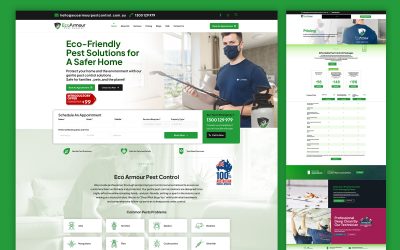
Eco Armour Pest Control
Designing a Modern, Eco-Conscious Digital Presence for an Australian Pest Control BrandProject Overview Eco Armour...
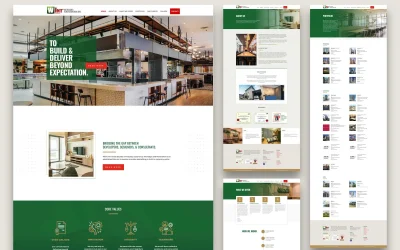
WI Design & Renovation
Designing a Modern WordPress Website That Showcases Expertise and Builds Client Confidence Overview WI Design &...
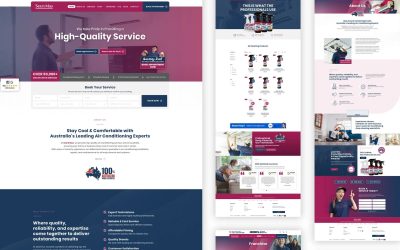
SeanMas
Creating a Customer-Focused Website That Builds Trust and Drives Service EnquiriesOverview SeanMas is a professional...
Turn Your Website Into a Lead-Generating Tool
At KitCreativity, we create professional websites that combine visual design, brand identity, user experience, and strategic content structure.
Whether you need a new website or want to improve an existing one, we can help create a digital experience designed to communicate your value and encourage potential customers to take the next step.
Ready to make your website work harder for your business? Get in touch with KitCreativity to discuss your project.