
Why Custom Website Design Is Better Than Using a Template
Your website is often the first interaction potential customers have with your business. While a professionally designed website can help build trust, generate leads, and strengthen your brand, an outdated website can do the exact opposite.
Many business owners assume that once a website is launched, the job is done. In reality, websites should evolve alongside your business, customer expectations, and technology. Design trends, search engine requirements, and user behaviour change over time, meaning a website that performed well five years ago may now be costing you valuable opportunities.
If you’re unsure whether it’s time for an update, here are five clear signs your business website needs a redesign.
1. Your Website Looks Outdated
First impressions happen within seconds.
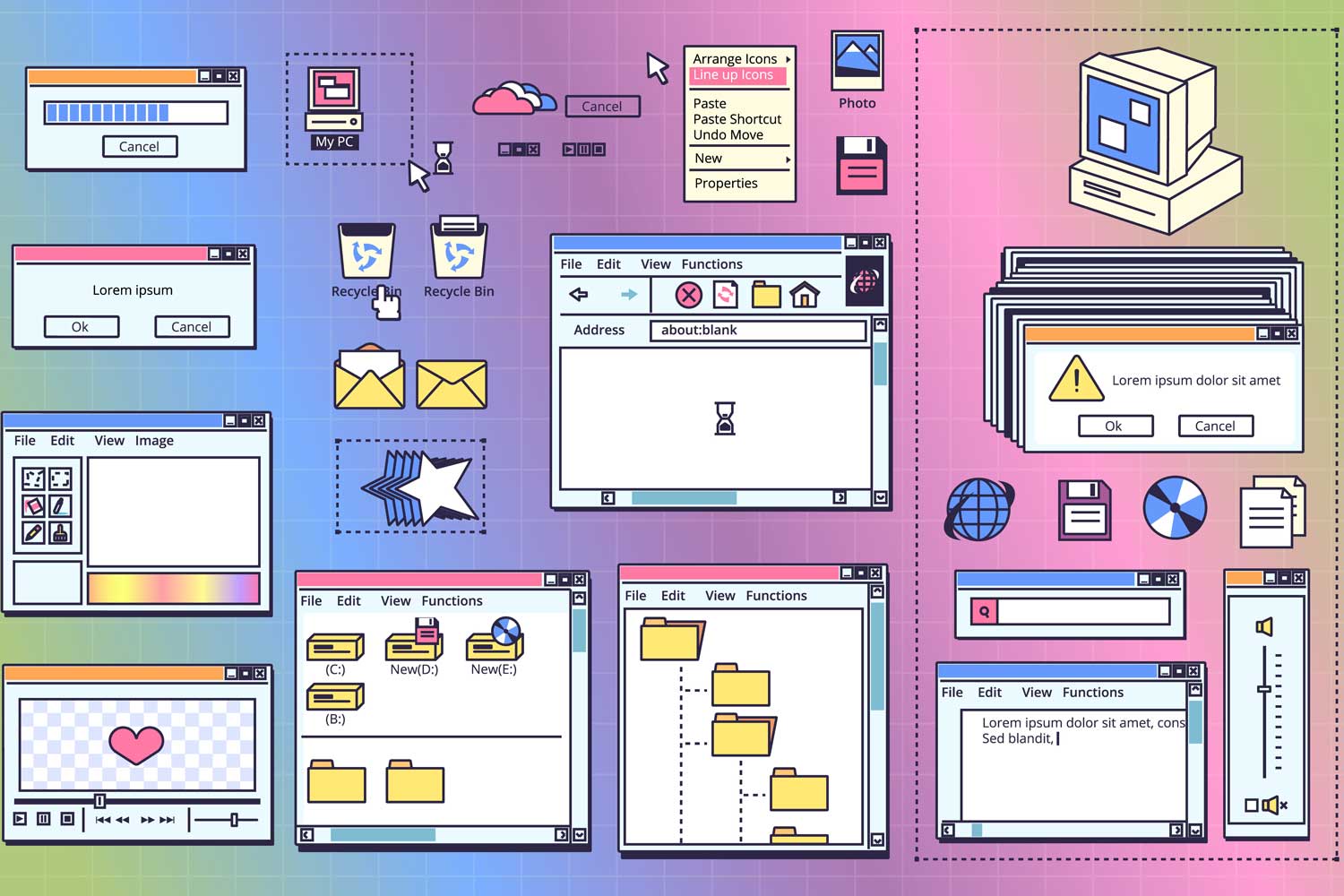
Visitors immediately form an opinion about your business based on the appearance of your website. An outdated design can unintentionally make your company appear less trustworthy, even if you offer excellent products or services.
Some common signs of an outdated website include:
- Small or difficult-to-read fonts
- Busy layouts with too much information
- Low-quality or pixelated images
- Inconsistent colours and typography
- Flashy animations or old design styles
- Poor visual hierarchy
Modern websites focus on clean layouts, generous white space, professional photography, and intuitive navigation.
A modern design doesn’t simply look better—it communicates professionalism and builds confidence with potential customers.
2. Your Website Isn’t Mobile-Friendly
Today, most people browse websites using smartphones or tablets.
If visitors have to zoom in to read text, struggle to tap buttons, or constantly scroll sideways, they’ll likely leave and visit a competitor instead.
A mobile-friendly website should automatically adapt to different screen sizes while maintaining:
- Easy-to-read content
- Fast loading pages
- Large touch-friendly buttons
- Simple navigation
- Optimised images
Google also prioritises mobile-friendly websites when ranking search results, making responsive design important for both user experience and SEO.
If your website wasn’t built with mobile devices in mind, it’s probably time for a redesign.
3. Your Website Loads Too Slowly
Website speed directly affects user experience.
Studies consistently show that visitors expect pages to load within just a few seconds. Every additional second increases the likelihood they’ll abandon your website before seeing your products or services.
Slow websites are often caused by:
- Large unoptimised images
- Outdated code
- Too many plugins
- Poor hosting
- Bloated website themes
Beyond frustrating visitors, slow loading speeds can also negatively impact search engine rankings.
A website redesign often includes performance optimisation, resulting in faster loading times and a smoother browsing experience.
4. Your Website No Longer Reflects Your Business
Businesses grow and evolve.
Perhaps you’ve introduced new services, changed your branding, expanded your team, or entered new markets.
Unfortunately, many websites fail to keep up.
Ask yourself:
- Are your current services clearly displayed?
- Is your branding consistent?
- Are your portfolio projects up to date?
- Are your contact details accurate?
- Does your website still represent who you are today?
If the answer is “no” to any of these questions, your website may be sending the wrong message to potential customers.
Your website should accurately showcase your expertise, capabilities, and value proposition.
5. You’re Not Getting Enough Enquiries
The ultimate purpose of most business websites is to generate leads.
If your website receives visitors but very few enquiries, something may be preventing users from taking action.
Common conversion problems include:
- Weak calls-to-action
- Confusing navigation
- Too much text
- Poor page structure
- Lack of trust signals
- Difficult contact forms
- No clear customer journey
A website redesign isn’t only about appearance.
It’s an opportunity to rethink how visitors move through your website and encourage them to contact your business, request a quote, or make a purchase.
Even small improvements in user experience can significantly increase conversion rates.
Additional Signs It’s Time for a Website Redesign
Beyond the five major indicators, there are several other warning signs that your website may be holding your business back.
Poor Search Engine Visibility
If your competitors consistently appear above you on Google, your website may need improvements in both design and technical SEO.
Modern websites are built with cleaner code, better page structures, faster performance, and improved accessibility, all of which contribute to stronger search engine optimisation.
Difficult to Update
Many older websites rely on outdated systems that make even simple content updates frustrating.
If changing text, adding blog articles, or uploading new images requires a developer every time, a redesign can provide a much more manageable content management system.
Security Concerns
Older websites may use outdated software, plugins, or themes that expose your business to unnecessary security risks.
A redesign provides an opportunity to update your platform, improve security practices, and ensure your website remains reliable for both you and your visitors.
Benefits of Redesigning Your Website
A professionally planned redesign offers much more than a fresh appearance.
Potential benefits include:
- Improved brand credibility
- Better user experience
- Faster loading speeds
- Higher search engine visibility
- Increased enquiries and sales
- Easier content management
- Better mobile performance
- Greater flexibility for future growth
Instead of simply refreshing colours and images, a successful redesign focuses on helping your business achieve measurable results.
When Should You Redesign Your Website?
There isn’t a fixed timeline, but many businesses benefit from reviewing their website every three to five years.
Technology changes rapidly, and customer expectations continue to evolve.
Even if your website still functions, regular evaluations help ensure it remains competitive and continues supporting your business goals.
If you’ve experienced significant business growth, launched new services, or rebranded your company, updating your website sooner may be worthwhile.
Final Thoughts
Your website should work as one of your most valuable marketing tools, not simply exist online.
If your website looks outdated, performs poorly on mobile devices, loads slowly, no longer reflects your business, or fails to generate enquiries, it may be time to consider a redesign.
Investing in a professionally designed website isn’t just about aesthetics. It’s about improving user experience, building trust, increasing visibility, and creating more opportunities for your business to grow.
Learn More About Website Design
Why Your Business Needs a Professional Website (Even in the Age of AI)
Why Custom Website Design Is Better Than Using a Template
5 Signs Your Business Website Needs a Redesign
How Good Website Design Builds Trust and Credibility
Featured Web Design Case Studies
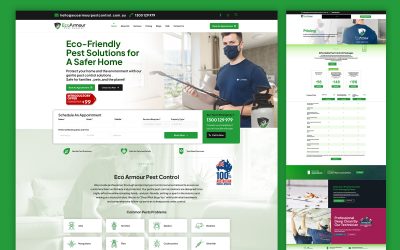
Eco Armour Pest Control
Designing a Modern, Eco-Conscious Digital Presence for an Australian Pest Control BrandProject Overview Eco Armour...
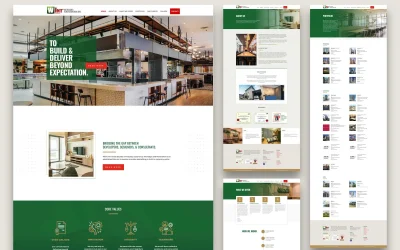
WI Design & Renovation
Designing a Modern WordPress Website That Showcases Expertise and Builds Client Confidence Overview WI Design &...
SeanMas
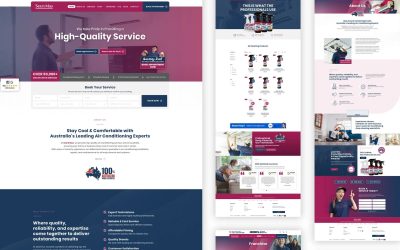
Creating a Customer-Focused Website That Builds Trust and Drives Service EnquiriesOverview SeanMas is a professional...
Is It Time to Refresh Your Website?
At KitCreativity, we create modern, responsive websites that combine clean design, strategic user experience, and SEO-friendly best practices. Whether you need a complete redesign or want to improve your existing website, we can help transform your online presence into a powerful marketing tool.
Ready to give your website a fresh new look? Let’s discuss your project today.