
7 Signs It's Time to Rebrand Your Business
Your brand is often the first impression customers have of your business. It communicates who you are, what you stand for and why people should choose you over your competitors.
However, as businesses grow, markets evolve and customer expectations change, even the strongest brands can begin to lose their impact.
Rebranding isn’t about following trends or redesigning your logo every few years. It’s about ensuring your business continues to communicate the right message to the right audience.
If you’re wondering whether it’s time for a change, here are seven signs that your business may benefit from a strategic rebrand.
1. Your Brand No Longer Reflects Your Business
Many businesses evolve over time.
Perhaps you’ve expanded your services, entered new markets or shifted your target audience.
If your branding still represents the company you were five or ten years ago, it may no longer communicate who you are today.
Your visual identity should accurately reflect your current business, values and long-term vision.
2. Your Logo Looks Outdated
Design trends change, but timeless branding should remain relevant for years.
If your logo feels dated, difficult to reproduce or inconsistent across digital and print media, it may be affecting how customers perceive your business.
A refreshed identity doesn’t necessarily mean abandoning your brand completely, it often means modernising it while preserving the recognition you’ve already built.
3. Your Branding Is Inconsistent
Do your website, social media, brochures, packaging and marketing materials all look like they belong to the same business?
If every touchpoint uses different colours, fonts or design styles, customers may struggle to recognise your brand.
Consistency builds familiarity, and familiarity builds trust.
A complete brand identity helps ensure every customer interaction feels connected.
4. You’re Attracting the Wrong Customers
Sometimes the problem isn’t your service, it’s your positioning.
Your branding influences who chooses to contact you.
If you’re attracting price-focused customers when you want premium clients, or if your business is frequently misunderstood, your branding may not be communicating the right message.
Strategic branding helps attract the audience you actually want to work with.
5. Your Competitors Look More Professional
Your business doesn’t need to copy competitors.
However, if your competitors present themselves with stronger branding, cleaner websites and more polished marketing materials, potential customers may naturally perceive them as more established.
Investing in professional branding helps your business compete with confidence.
6. Your Business Has Grown
Many businesses begin with a simple logo designed during the startup stage.
As the business grows, so do customer expectations.
New products, additional services and expanding teams often require a more structured visual identity that supports consistent communication across every platform.
A professional brand identity provides that foundation.
7. You’re Ready for the Next Stage of Growth
Rebranding isn’t always about fixing problems.
Sometimes it’s about preparing for new opportunities.
Whether you’re expanding internationally, launching premium products or entering a more competitive market, a stronger brand identity helps communicate confidence and professionalism.
A well-planned rebrand positions your business for future success rather than simply reflecting its past.
What Does a Rebrand Actually Include?
A professional rebrand often involves more than designing a new logo.
Depending on your business, it may include:
- Brand Identity Strategy
- Logo Design
- Colour Palette
- Typography System
- Brand Guidelines
- Business Stationery
- Packaging Design
- Marketing Materials
- Website Design
- Social Media Visuals
Together, these elements create a consistent brand experience that customers recognise and trust.
Is It Time to Rebrand?
Not every business needs a complete rebrand.
Sometimes small refinements are enough to modernise your identity while preserving existing brand recognition.
The key is understanding whether your current branding still supports your business goals and reflects the quality of your products or services.
If your brand no longer represents who you are today, investing in thoughtful branding can become one of the most valuable long-term decisions for your business.
Final Thoughts
A successful brand grows alongside the business it represents.
Rather than viewing rebranding as a cosmetic exercise, think of it as an opportunity to strengthen customer trust, improve consistency and position your business for future growth.
Whether you’re modernising an existing identity or building a completely new one, strategic branding helps create meaningful connections that last.
You may also like
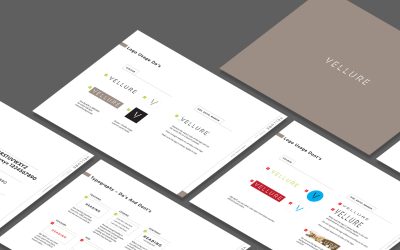
Logo Design vs Brand Identity: What’s the Difference?
Many people use the terms logo design and brand identity interchangeably. While they're closely related, they are not...

Do I actually need brand identity, or is a logo enough?
Many Businesses Think They're the Same Thing One of the biggest misconceptions in branding is believing that a logo...
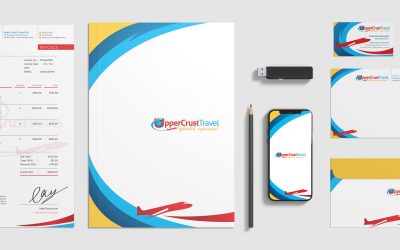
How Much Does Brand Identity Cost?
Investing in More Than Just a Logo One of the most common questions business owners ask is: "How much does brand...
Ready to Refresh Your Brand?
If you’re considering a rebrand, I’d be happy to help you evaluate your current identity and explore how thoughtful branding can better support your business goals.