
Common Packaging Design Mistakes That Cost Brands Customers
Packaging is often the first physical interaction customers have with your brand. Before they experience the quality of your product, they judge it by its appearance. An attractive, well-designed package creates confidence, while poor packaging can discourage purchases, even when the product itself is excellent.
Many businesses focus heavily on product development but overlook the importance of packaging design. As a result, they lose sales without realizing that the packaging is the problem.
Here are some of the most common packaging design mistakes and how to avoid them.
1. Trying to Say Too Much
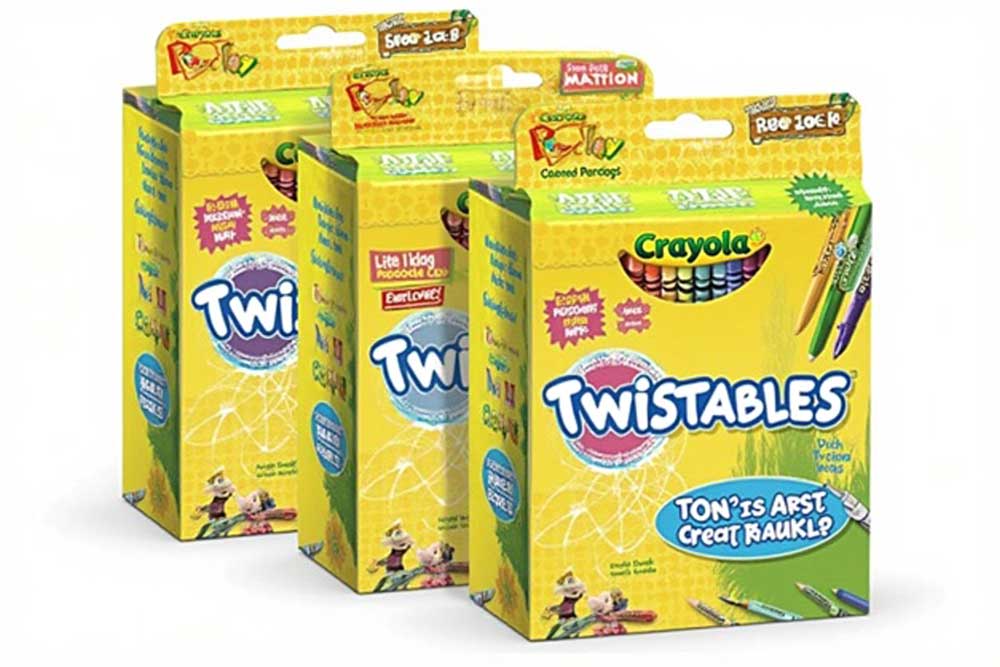
One of the biggest mistakes is filling every available space with information.
Many brands attempt to display every product feature, certification, marketing message, ingredient, and promotional slogan on the front panel. Instead of making the product more appealing, this creates visual clutter.
Consumers usually spend only a few seconds deciding whether to pick up a product. A clean, focused design communicates more effectively than an overloaded layout.
The front of the package should clearly answer three questions:
- What is it?
- Why should I buy it?
- Which brand is it?
Everything else can be placed on the side or back panels.
2. Weak Visual Hierarchy
Customers shouldn’t have to search for important information.
If the logo, product name, product type, and key benefit all compete for attention, the packaging becomes confusing.
Good packaging uses typography, spacing, colour, and scale to guide the customer’s eye naturally through the information.
When the visual hierarchy is well planned, shoppers immediately understand the product without needing to read every word.
3. Inconsistent Branding
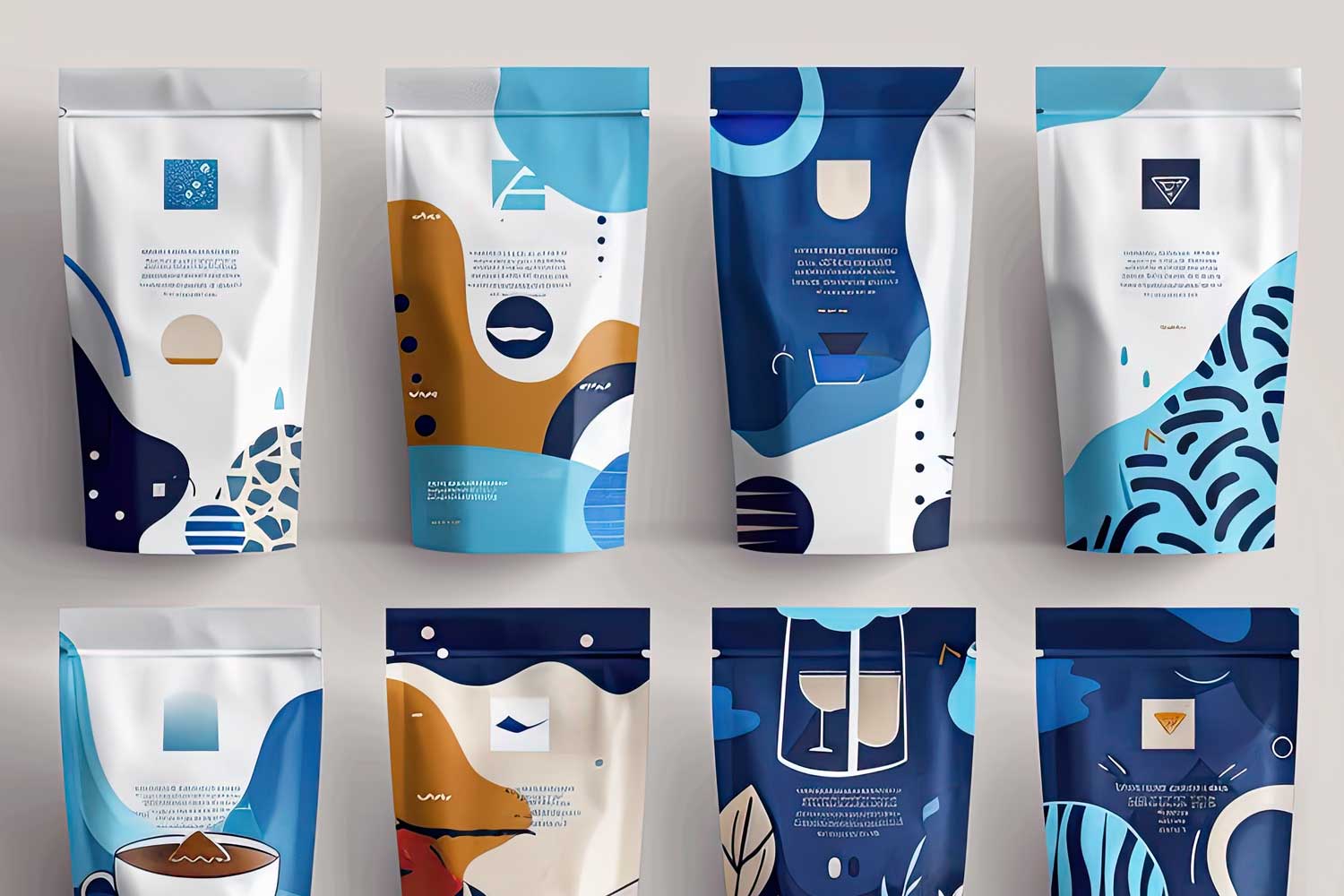
Your packaging should instantly feel like part of your brand.
Unfortunately, many companies design each product individually without maintaining consistent colours, typography, photography, or graphic elements.
The result is a product range that looks disconnected on the shelf.
Strong branding creates familiarity and improves recognition over time. Customers should be able to identify your products from a distance, even before reading the label.
4. Choosing Design Over Readability
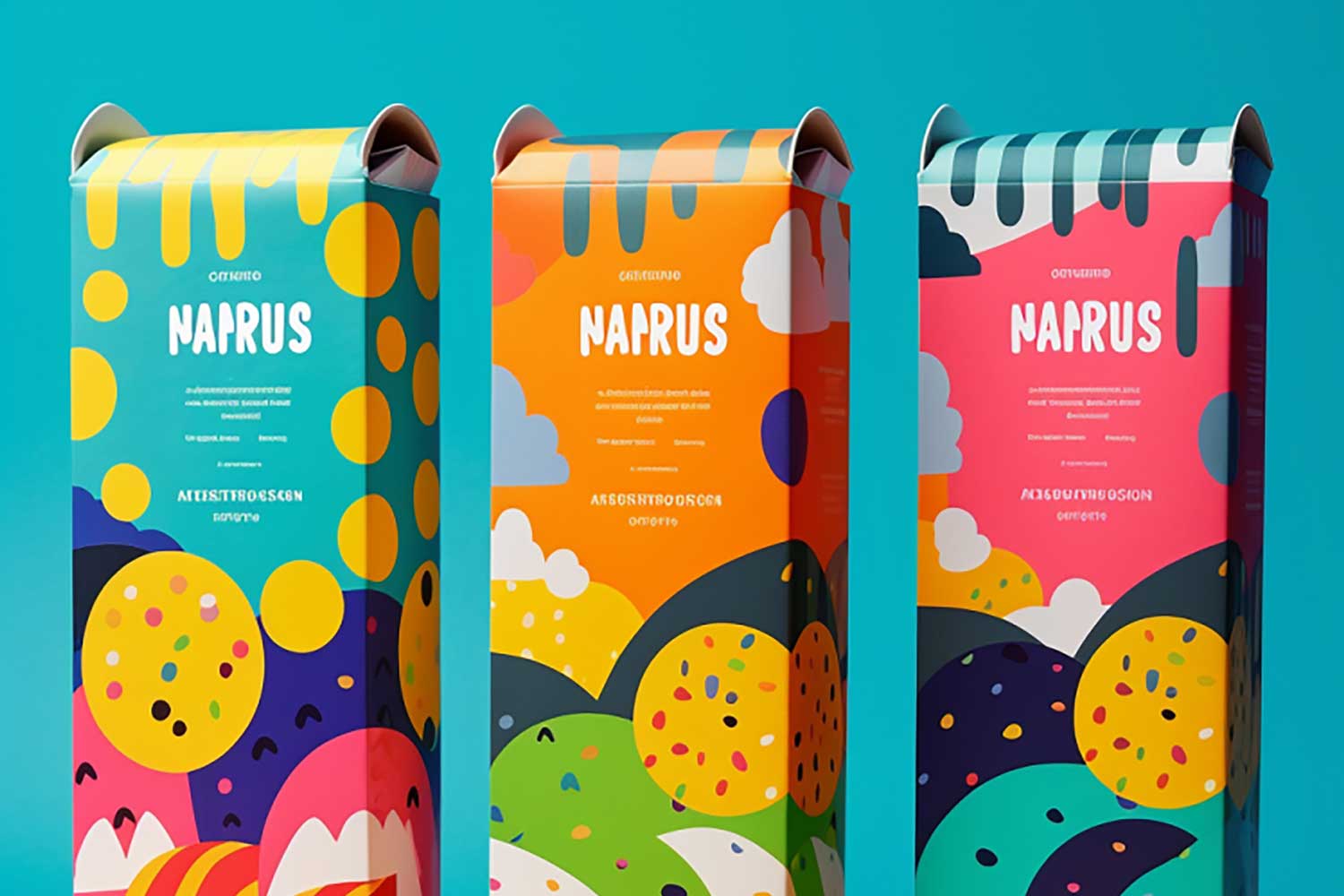
Creative packaging is valuable, but not if customers struggle to read it.
Decorative fonts, low colour contrast, tiny text, or complicated layouts reduce usability.
If consumers can’t quickly identify the product or understand its benefits, they may move on to a competitor.
Good design always balances creativity with clarity.
5. Ignoring the Retail Environment
Packaging doesn’t exist in isolation.
A design that looks beautiful on a computer screen may disappear on a crowded retail shelf.
Professional packaging designers consider factors such as:
- Shelf competition
- Viewing distance
- Lighting conditions
- Product category
- Colour differentiation
Design decisions should help the product stand out where customers actually shop.
6. Forgetting About Print Production
A design that works digitally doesn’t always print well.
Incorrect colour settings, poor image resolution, missing bleed areas, or unsuitable finishes can significantly reduce the final quality.
Professional packaging design includes production-ready artwork that has been prepared for commercial printing, ensuring the finished product matches the original design intent.
7. Overlooking the Customer Experience
Packaging isn’t just about appearance.
Opening the box, holding the product, reading instructions, and interacting with the package all influence customer perception.
Thoughtful details-such as premium materials, embossed finishes, soft-touch coatings, or intuitive structural design-can elevate the entire brand experience.
Customers often remember how a product made them feel just as much as the product itself.
Why Professional Packaging Design Matters
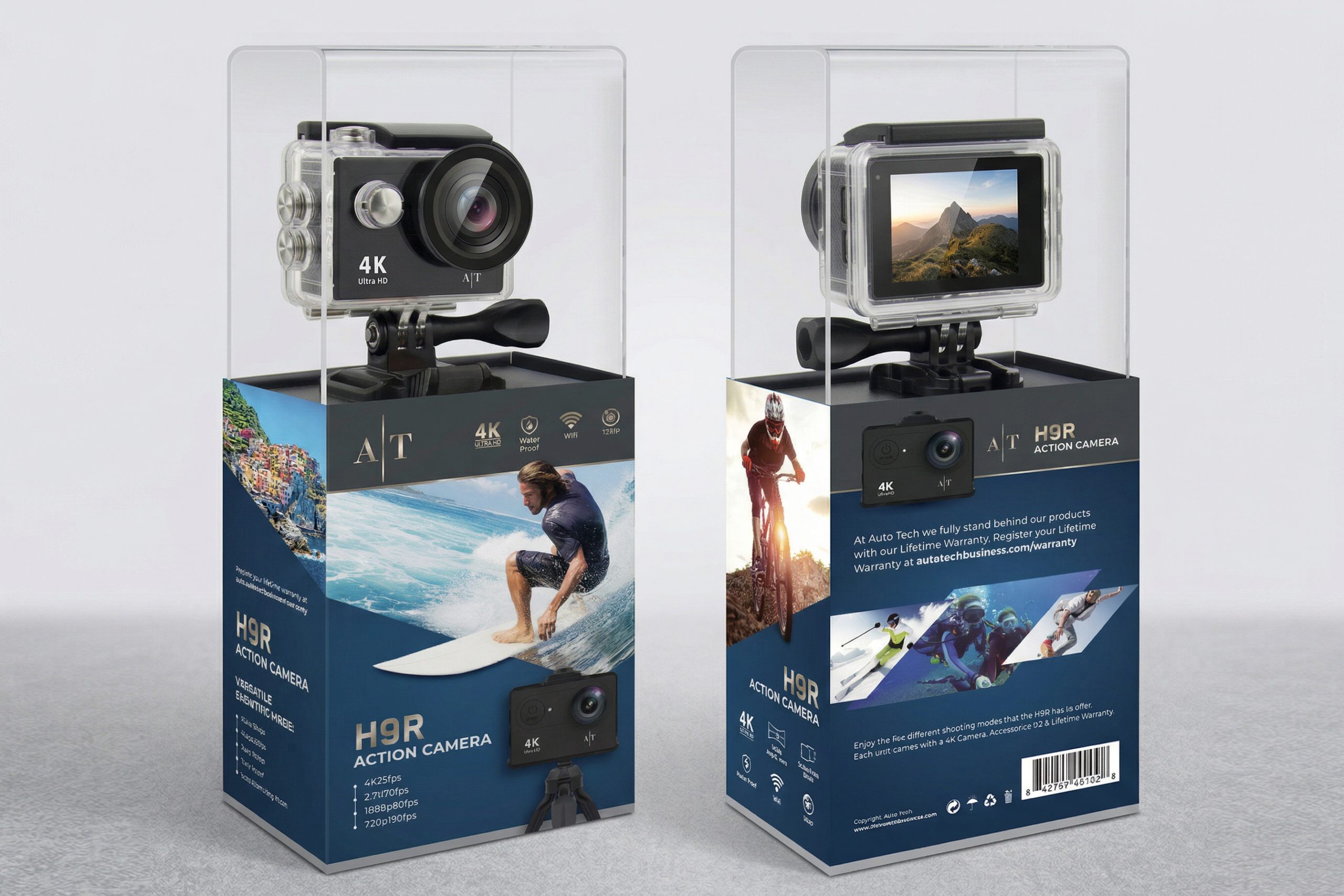
Effective packaging combines branding, marketing, psychology, and production expertise into a single customer experience.
A professionally designed package helps businesses:
- Increase shelf visibility
- Build customer trust
- Strengthen brand recognition
- Communicate product value
- Support premium pricing
- Encourage repeat purchases
Rather than being an expense, packaging design is an investment that influences purchasing decisions every day.
Final Thoughts
Packaging is often your silent salesperson. It works long before anyone speaks to your customers.
Avoiding common design mistakes can significantly improve how your products are perceived and help your brand stand out in competitive markets.
Whether you’re launching a new product or refreshing an existing one, investing in strategic packaging design can make the difference between being overlooked and being chosen.
Featured Packaging Case Studies

ProBright
Modernising a Whitening Brand Through Strategic Brand & Packaging Design Overview ProBright approached me with an...
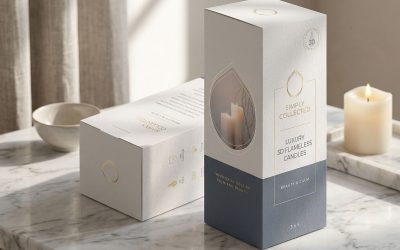
Simply Collected
Elevating Luxury Packaging Through Elegant Simplicity Overview Simply Collected is a premium home décor brand offering...

Evergreen Herbs
Creating Packaging That Builds Consumer Confidence and Shelf Impact Overview Evergreen Herbs is a health and wellness...
Need Help Creating Packaging That Sells?
At KitCreativity, I help businesses create premium packaging that combines strong branding with practical production knowledge. From product labels and retail boxes to luxury packaging systems, every design is developed to attract attention, build trust, and support long-term brand growth.
Explore my Packaging Design portfolio or get in touch to discuss your next project.